back
back

As temperatures gradually rise, mosquito activity becomes more frequent, and mosquito repellent products such as mosquito coils are widely used. However, improper use of mosquito coils can easily lead to disaster. Recently, multiple fire incidents caused by improper use of mosquito coils have occurred in succession, mostly concentrated in enclosed places such as dormitories and residences. The following relevant cases are compiled to remind everyone to pay attention to safety in production and daily life and to always keep the string of fire safety taut.
I. Three Typical Cases
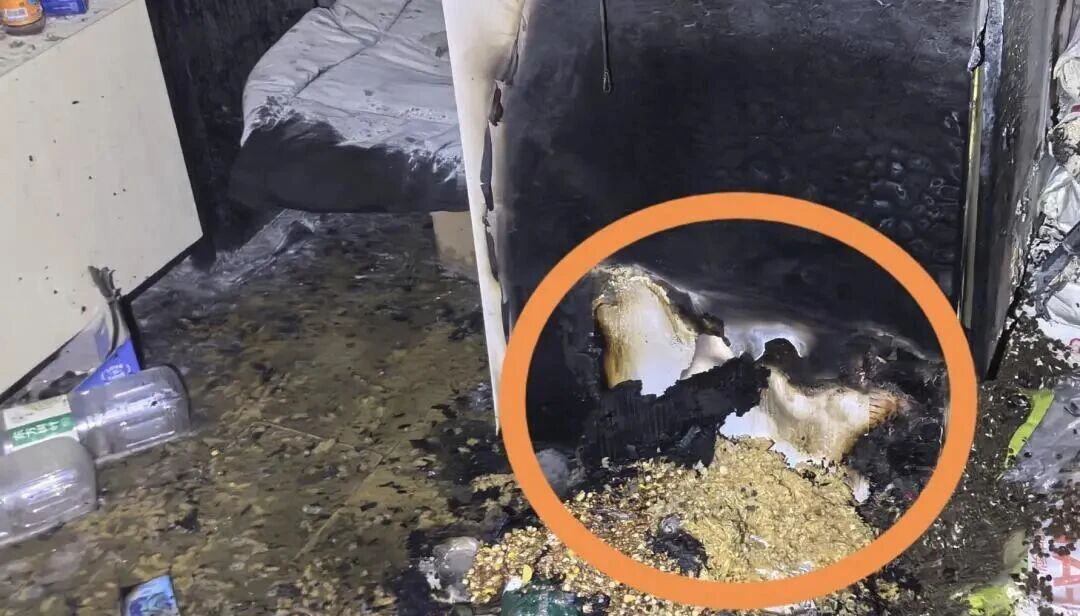
Case 1: Mosquito Coil Not Extinguished Before Going Out, Debris Smoldered into a Disaster.
A fire broke out in a resident's home, with thick smoke filling the scene. Although there was no open flame, debris such as dog food and cardboard was in a smoldering state. Investigation found that the resident had placed the mosquito coil on the edge of a table and forgot to extinguish it before temporarily going out. The mosquito coil fell and ignited surrounding combustibles, eventually causing a disaster.
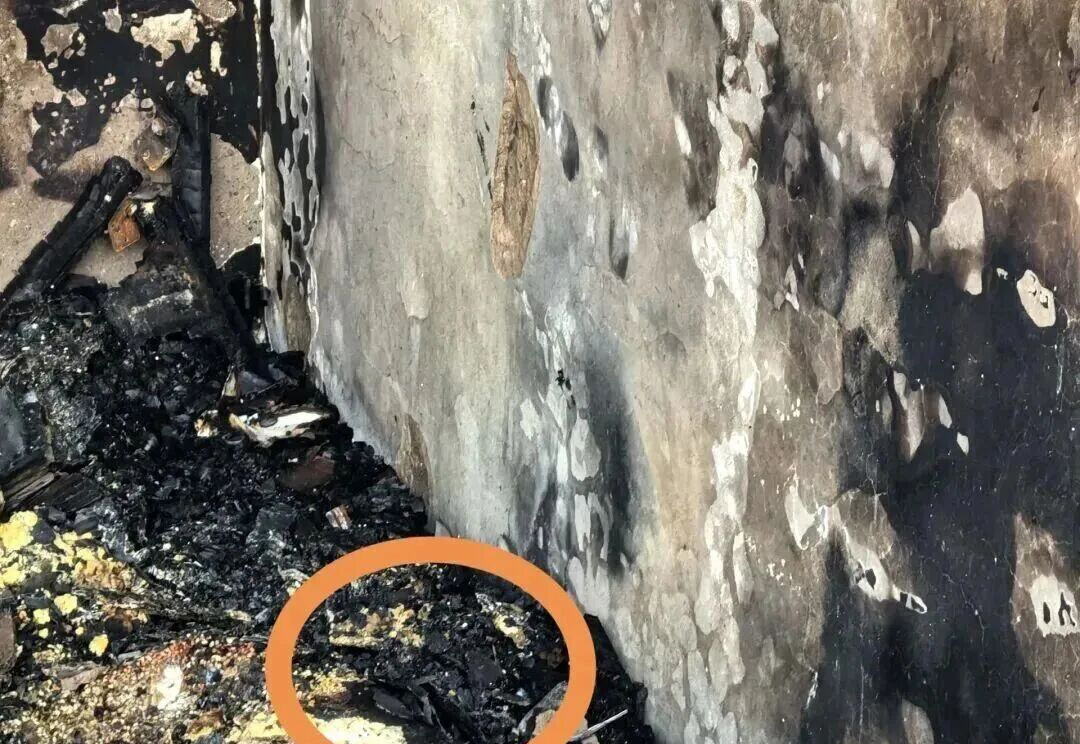
Case 2: Mosquito Coil Placed on a Cardboard Box, Kitchen Burned Beyond Recognition.
At noon on June 13, a resident's kitchen caught fire. Although the spread of the fire was controlled in time, the kitchen was completely destroyed. Investigation found that after lighting the mosquito coil in the kitchen, the resident casually placed it on an express delivery cardboard box and went out. The sustained high temperature of the mosquito coil ignited the cardboard box, causing the accident.
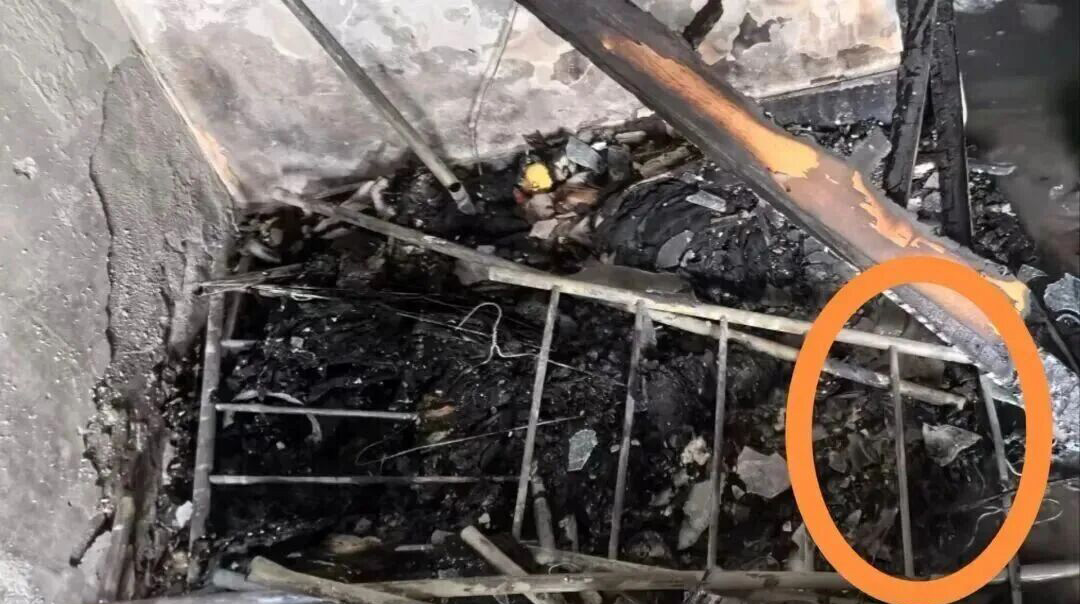
Case 3: Mosquito Coil Lit on the Bedroom Floor, Clothing and Bedding Burned to Ashes.
On May 28, a resident's bedroom caught fire. Items such as clothing and bedding were all burned, and the scene was a mess. Investigation found that the resident lit a mosquito coil on the floor at the bedroom door and went out. Because the mosquito coil was close to a simple clothes rack, clothing hanging on the rack drooped down and came into contact with the ignition point, ultimately causing a major fire.
All three of the above accidents were caused by careless use of fire in residents' daily lives and mosquito coils being left unattended.
II. A Little Knowledge About Mosquito Coils
1.Why Can Mosquito Coils Cause a Fire Without an Open Flame?
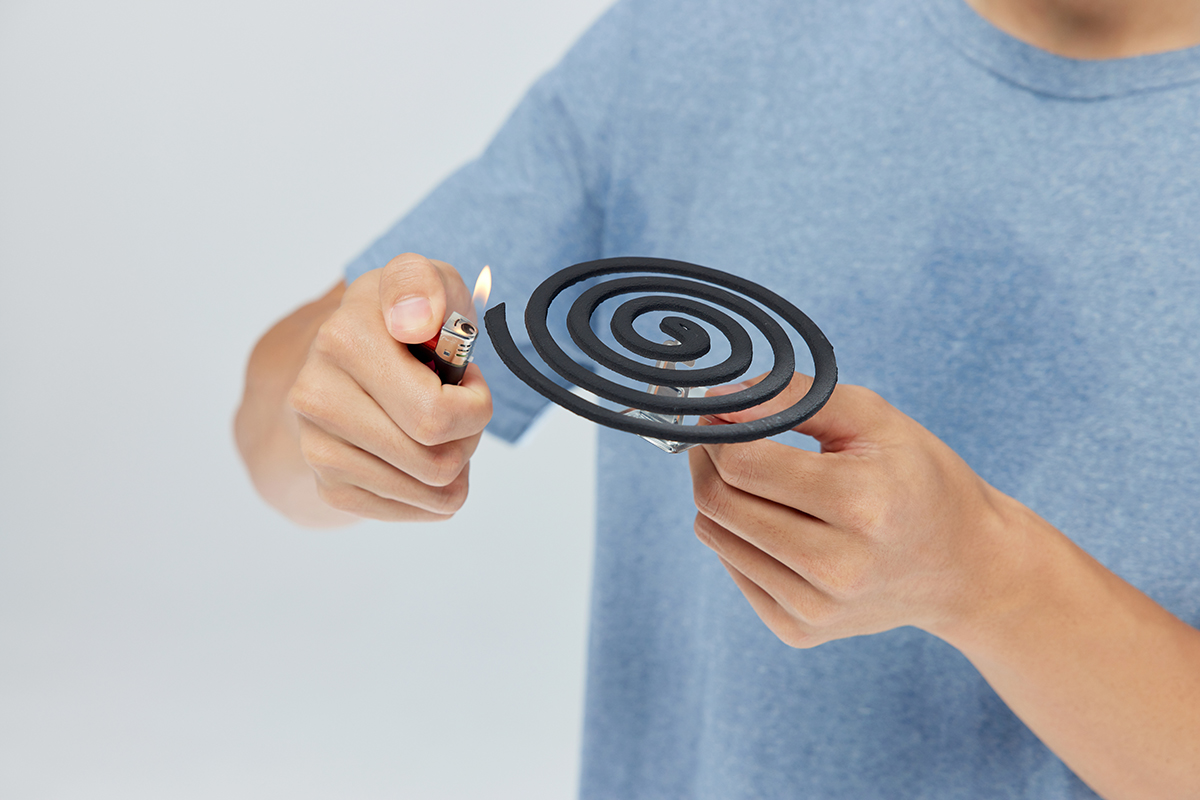
The main components of mosquito coils are sticky wood powder, charcoal powder, and insecticidal agents. When burning, they exhibit continuous smoldering, similar to the burning characteristics of cigarettes—open flame is difficult to see with the naked eye, but the degree of danger should not be underestimated. During smoldering, the internal maximum temperature of a mosquito coil can reach 700°C–800°C, far exceeding the ignition points of common combustibles such as mosquito nets, cotton cloth, clothing, paper, sponges, and wooden furniture. Only brief contact is needed to ignite them, subsequently causing a major disaster.
2.The Following Safety Knowledge for Using Mosquito Coils Must Be Kept in Mind
(1) Use a dedicated holder. Always place a lit mosquito coil on a metal holder or a non-combustible tray.
(2) Keep away from combustibles. When placing a mosquito coil, it must be kept away from flammable items such as curtains, clothing, cardboard boxes, bedding, debris, and wooden furniture, and maintain a safe distance from combustibles.
(3) Never leave it unattended. Before going to sleep or going out, be sure to completely extinguish the mosquito coil. Never leave a lit mosquito coil unattended.
In summer, while preventing mosquitoes, it is even more important to prevent fire. While repelling mosquitoes and escaping the heat, fire safety must not be relaxed. Come and learn more safety knowledge.
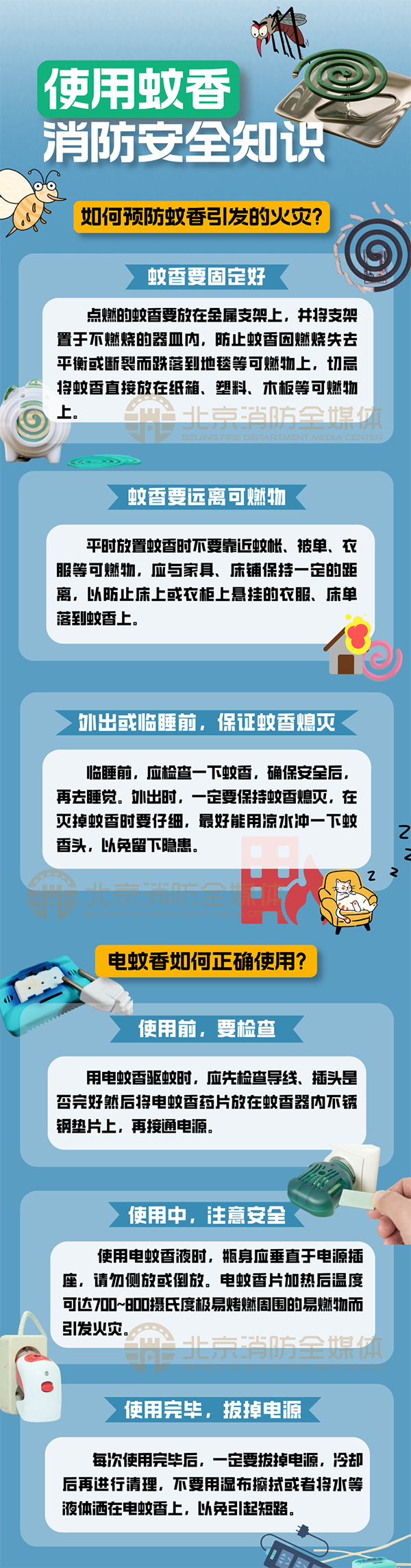
Safety is no small matter; prevent trouble before it "ignites." In summer, mosquitoes breed, and repelling mosquitoes and relieving heat are practical needs, but the bottom line of fire safety must not be compromised. We hope everyone will take these cases as a warning, use mosquito coil products properly in work and life, and ensure personal and property safety.
Source: Beijing Fire Department