back
back

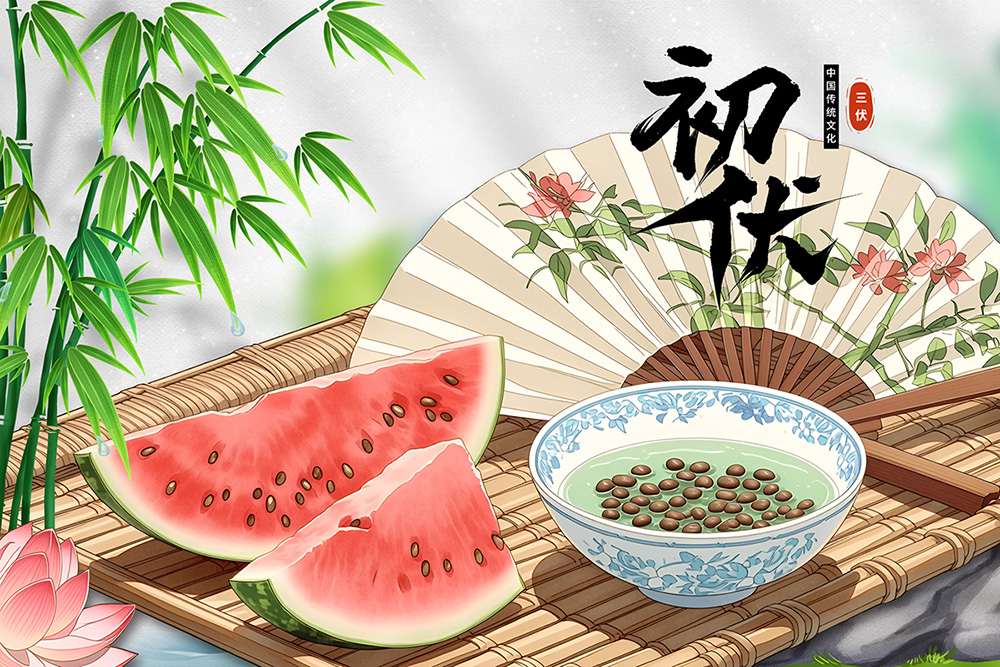
Currently, we are in the dog days of summer. The high-temperature and high-humidity environment accelerates microbial reproduction, and food safety risks rise accordingly. Based on authoritative food safety educational content, we have compiled these key points for food safety in high temperatures to help everyone avoid dietary hazards.
I. Three Major Risks to Watch Out For
1.Food Poisoning from Ready-to-Eat Foods
Ready-to-eat foods that do not require heating, such as cold dressed dishes, raw seafood sashimi, prepackaged refrigerated cooked foods, freshly squeezed fruit and vegetable juices, and frozen drinks, carry the risk of contamination by Listeria monocytogenes. This bacterium can continue to multiply in a 0–10°C refrigerated environment, and relying solely on refrigerator refrigeration cannot completely eliminate the safety hazard. Eating them after long-term storage can easily cause gastrointestinal discomfort.
2.Bongkrekic Acid Poisoning and Norovirus Infection
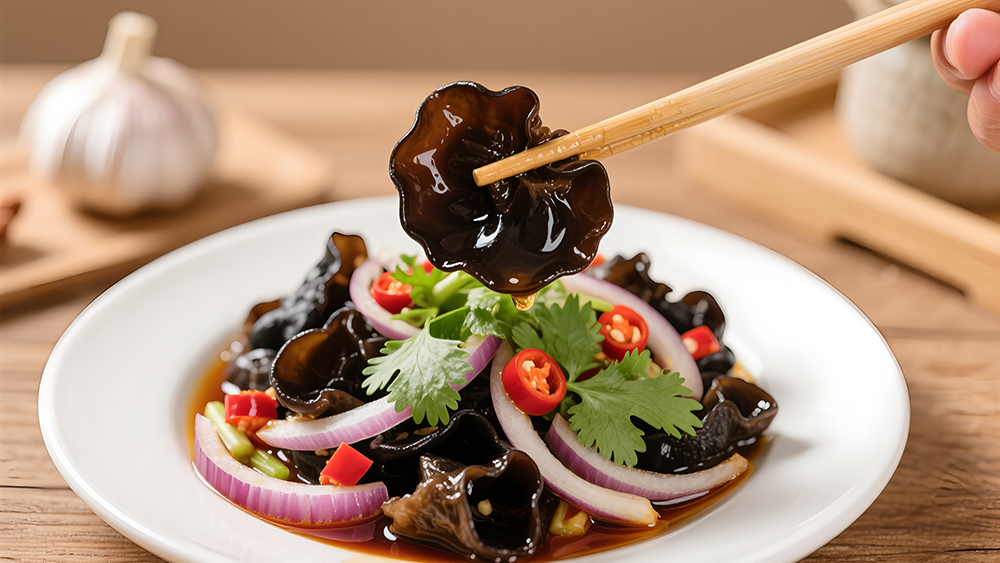
Fermented rice and flour products such as suantangzi, fresh rice noodles, liangpi, and fermented glutinous rice products, as well as wood ear mushrooms and snow fungus that have been soaked for a long time or stored overnight, are prone to producing bongkrekic acid. This toxin is extremely toxic and cannot be decomposed by conventional steaming or heating, and the fatality rate of poisoning is high. At the same time, the risk of norovirus transmission rises in summer. Raw water and improperly stored bottled water are the main vectors of infection, and drinking them can easily cause mass vomiting and diarrhea.
3.Poisoning from Accidental Ingestion of Wild Poisonous Mushrooms and Toxic Wild Vegetables and Plants
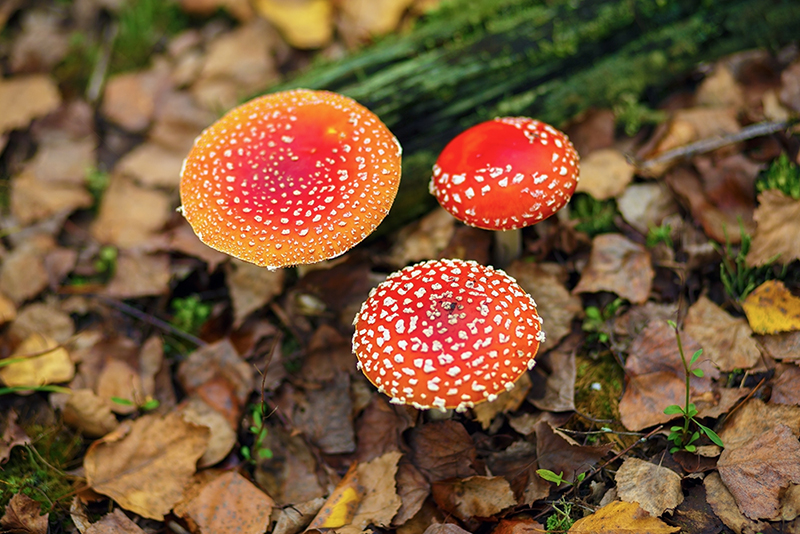
During the dog days, abundant rainfall causes wild mushrooms to grow in large quantities. There is currently no specific antidote for poisonous mushroom poisoning, and the only safe preventive measure is not to pick, not to buy, and not to eat wild mushrooms.
Toxic wild plants such as coriaria fruit, datura, and aconite resemble conventional edible fruits and vegetables in appearance and are extremely easy to confuse and ingest accidentally; legume ingredients such as green beans and hyacinth beans can also cause poisoning reactions if not thoroughly cooked.
II. Key Safety Points for Ingredient Procurement, Processing, and Storage
1.Procurement
For ingredients, prioritize purchasing from formal business premises, and buy small amounts according to need to avoid large stockpiling that leads to ingredient rot and spoilage. Never pick wild vegetables or wild fruits of unknown identity in the wild for consumption.

2.Processing
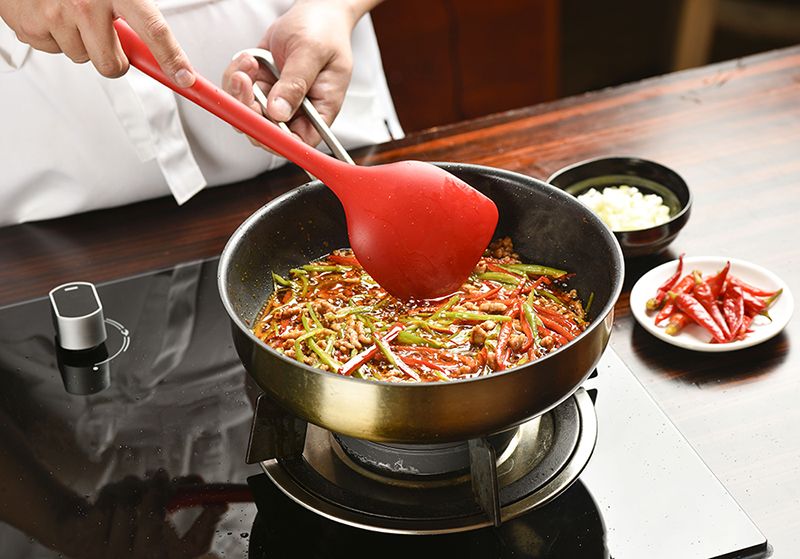
Strictly implement the raw-cooked separation standard, with knives, cutting boards, and tableware dedicated to separate zones; wash hands properly before and after handling ingredients and before meals and after using the toilet. Regularly clean kitchen worktops and sinks, replace cleaning rags in a timely manner, and inhibit bacterial growth. Wood ear mushrooms and snow fungus should not be soaked for too long; avoid processing and eating them after overnight soaking; edible wild vegetables must be fully soaked and blanched before cooking.
3.Storage
Freshly prepared cold dishes and fresh-cut fruits are recommended to be eaten completely the same day and not stored overnight; cooked foods and fresh ingredients should be sealed and stored in separate zones in the refrigerator to avoid cross-contamination. Regularly clean and disinfect the refrigerator. If ingredients show spoilage such as stickiness, off-odors, mold, or discoloration, they must be discarded directly and not eaten.
III. Scientific Dietary Recommendations
In high-temperature environments, the human body's gastrointestinal digestive function weakens and energy consumption increases, so dietary methods need to be adjusted to enhance one's own resistance.
1.Balanced Diet and Moderate Eating
Pair lean meat, aquatic products, eggs, dairy products, and soy products to supplement high-quality protein, and pair with sufficient fresh fruits and vegetables; avoid overeating to reduce the digestive burden on the stomach and intestines.
2.Regular Daily Routine and Healthy Drinking Water
Drink boiled warm water daily and avoid drinking raw water directly; carry out moderate exercise reasonably, maintain a regular routine, reduce staying up late, and enhance one's own immunity.

3.Strengthen Protection for Key Populations
Older adults, minors, pregnant and postpartum women, people with low immunity, and people with allergic constitutions should reduce their intake of raw foods, sashimi, refrigerated cold drinks, and unidentified wild vegetables to lower the probability of illness.
Text | Food Safety China
Image | Copyright image library