back
back

Many people are fond of seafood and freshwater fish, but some delicious flavors hide poisoning risks, and creek grouper fish roe is one of them.
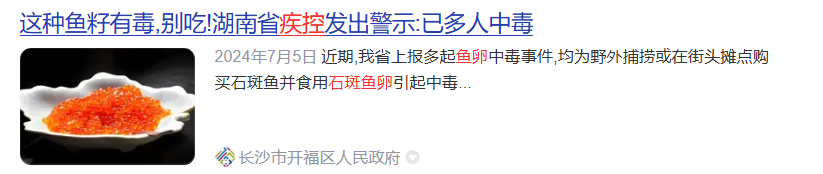
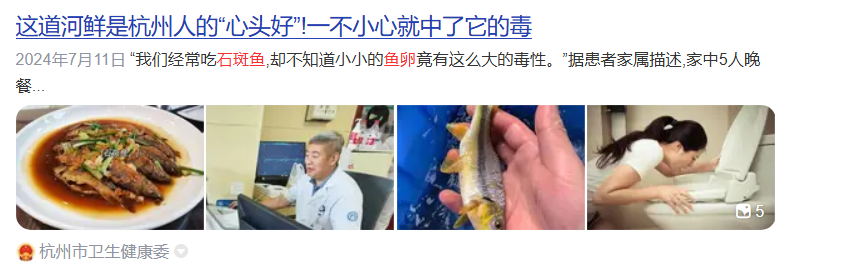
Every year across the country, multiple cases of poisoning occur due to eating creek grouper fish roe.

I. What Kind of Fish Is the Creek Grouper?
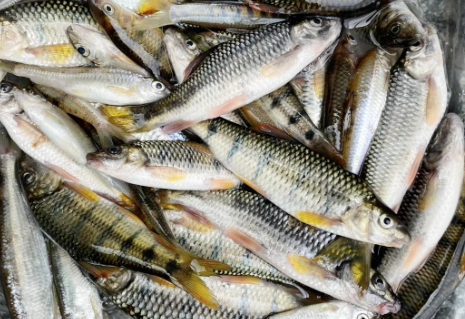
The creek grouper, with the scientific name Acrossocheilus (guangchun yu), belongs to the Cyprinidae family and lives in mountain streams or rapid-flow environments in the middle and upper reaches of rivers. It is small in size, and its eggs and ovaries contain toxins, so accidental ingestion can easily cause poisoning. It has no kinship with the marine giant grouper; it is named "creek grouper" only because of the dark horizontal stripes on its sides.
Essential attributes: Scientific name Acrossocheilus, a small freshwater fish living in mountain streams, belonging to the same Cyprinidae family as carp.
Appearance features: Very small in size (usually a dozen centimeters), with 6 obvious black horizontal stripes on its sides and a mouth facing downward.
Dietary taboo: The flesh of the creek grouper is non-toxic; the eggs (roe) and ovaries contain toxins, with mature roe being the most toxic. Whether wild or farmed, before eating the fish, all roe must be cleaned out completely, and only the flesh should be eaten.
II. Why Can Tiny Creek Grouper Roe Poison People?
The eggs of the creek grouper contain a globulin-type protein with unclear physicochemical properties. In addition, through bioaccumulation, some toxic substances (such as ciguatoxin) can accumulate in its internal organs and roe. These toxins are resistant to high temperatures (conventional cooking methods such as boiling at 100°C, high-temperature frying, braising in soy sauce, and steaming cannot destroy the toxins), resistant to acids and alkalis, resistant to freezing, and resistant to pickling. Therefore, even thorough cooking cannot remove the toxicity. Moreover, there is no specific antidote!
1.Peak Poisoning Season
The toxicity of the roe is strongest during the spawning period (April to September each year, especially May to August), when the roe matures and the toxin concentration reaches its peak. In winter, the gonads of adult fish degenerate and toxicity is lower, but the risk of poisoning still exists and should not be taken lightly.
2.Symptom Incubation Period
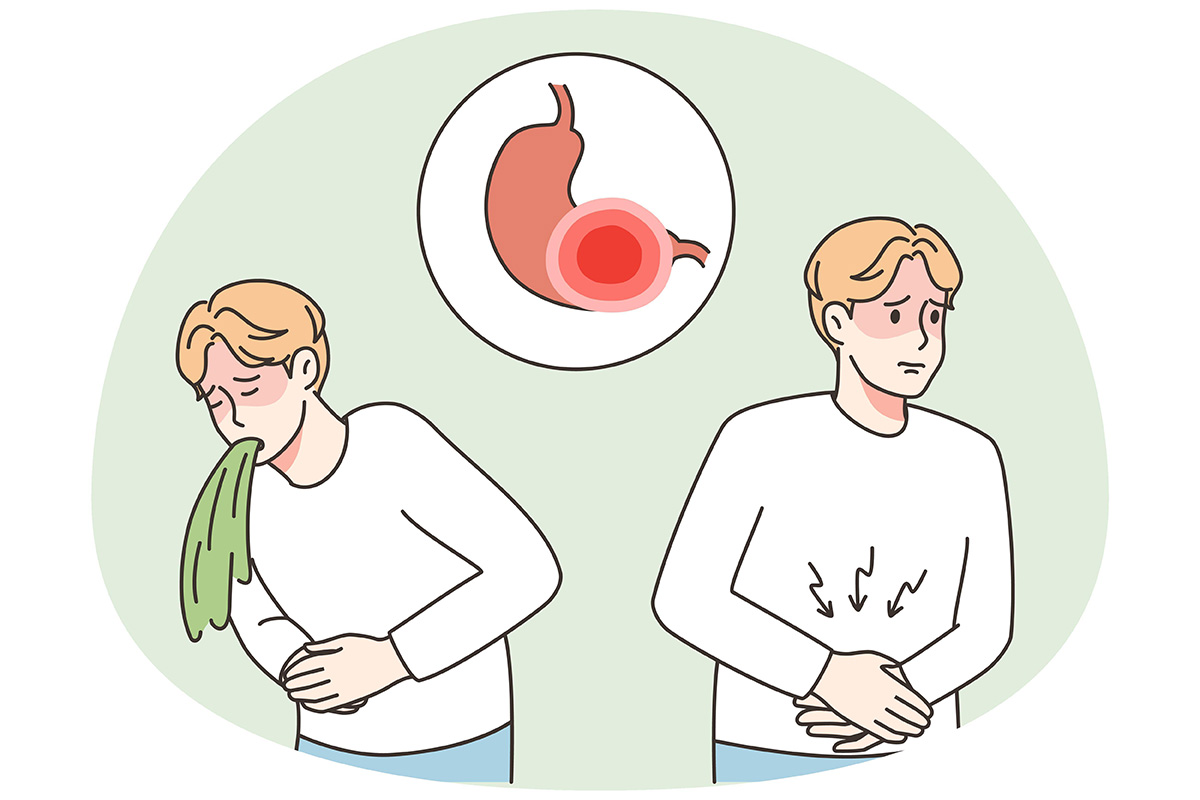
Symptoms generally appear 2–17 hours after ingestion (mostly 3–5 hours). Early gastrointestinal symptoms are similar to acute gastroenteritis and are easily confused.
3.Symptom Manifestations
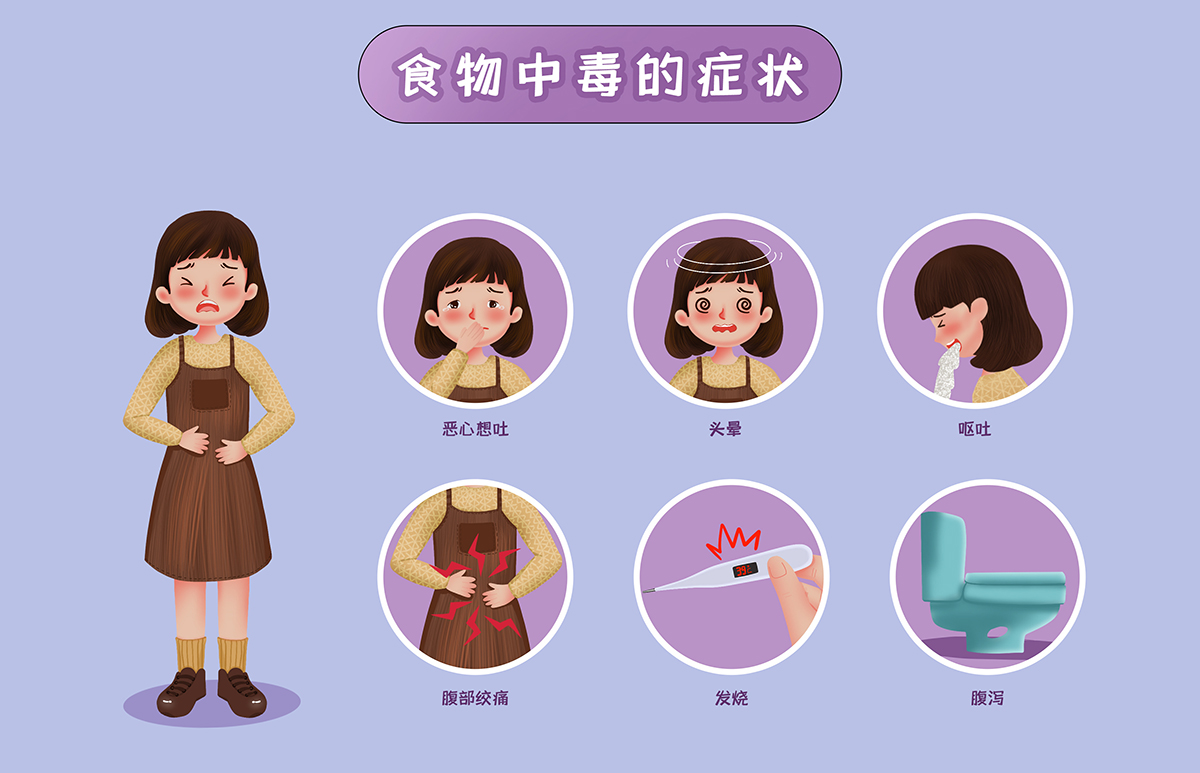
Early symptoms are mainly digestive tract symptoms such as nausea, vomiting, severe abdominal pain, and watery diarrhea; subsequently, neurological symptoms may appear, such as dizziness, fatigue, numbness around the mouth and in the limbs, joint and muscle soreness, and reversed perception of cold and heat (feeling cold when touching something hot); in severe cases, slowed heart rate, decreased blood pressure, convulsions, coma, and even respiratory muscle paralysis may occur.
III. How to Avoid Creek Grouper Poisoning?
1.Be cautious about eating wild creek grouper.
2.Before cooking, the roe, ovaries, and internal organs must be thoroughly removed. When cleaning, be careful not to rupture the roe to avoid toxins contaminating the flesh.
3.If accidental ingestion occurs and the above poisoning symptoms appear, seek medical attention as soon as possible. Do not tough it out and delay.

Article source: Food Safety China
Image source: authorized image library