back
back

Every year during the hot summer and autumn seasons, there is a high incidence period of Salmonella infection. Recently, a 5-year-old boy in Zhengzhou, Henan, suddenly developed abdominal pain, vomiting, and persistent high fever after drinking an egg mixture made with boiling water. He was diagnosed in the hospital with Salmonella infection, and the trigger was precisely this "health-preserving way of eating" that many people advocate.
Many people habitually drink raw eggs mixed with boiling water in daily life, feeling that it is light, nourishing, and smooth in taste. Some even have no discomfort after long-term consumption and therefore conclude that this way of eating is safe. However, from the perspective of food safety, this practice carries a clear and non-negligible risk of causing illness.
I. What Is Salmonella?
Salmonella is a very common foodborne pathogenic bacterium. Ingredients such as eggs, meat, and milk may all be contaminated, and during the hot, stuffy summer and autumn seasons, the probability of food carrying the bacteria increases significantly. This bacterium is highly covert: after food ingredients are contaminated, their appearance is usually unchanged and cannot be distinguished at all by the naked eye, making it very difficult for ordinary people to detect in advance.
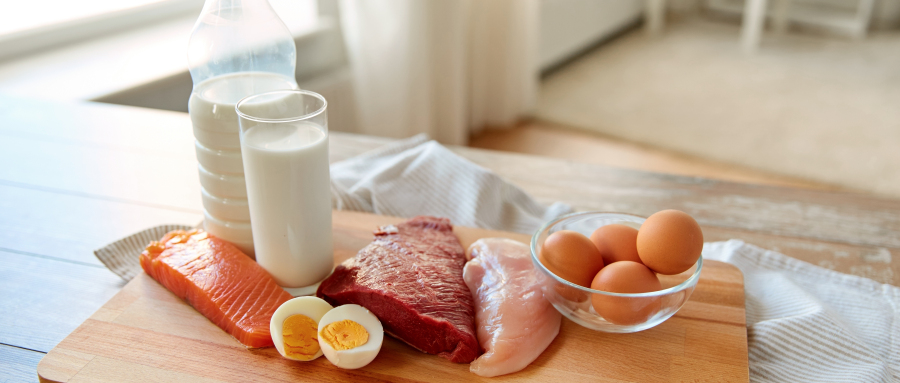
Humans are generally susceptible to Salmonella. After infection, the incubation period is 12 to 36 hours. Typical symptoms are abdominal pain, diarrhea, nausea, and vomiting. Most healthy people can recover on their own within 2–7 days; infants and young children, older adults, and immunocompromised people are at higher risk. Once infected with highly pathogenic strains, they may develop persistent high fever and bacteremia, which can be life-threatening in severe cases.
II. Why Can't Eggs Mixed with Boiling Water Kill Bacteria?
To completely kill Salmonella, it is necessary to ensure that the overall temperature of the food is stably maintained above 70°C and continuously heated for 5 minutes. When raw eggs are directly mixed with boiling water in daily life, the temperature of the boiling water drops rapidly after being poured into a room-temperature bowl. It neither reaches the required temperature nor maintains a sufficient sterilization duration, and the Salmonella remaining in the egg liquid will survive.
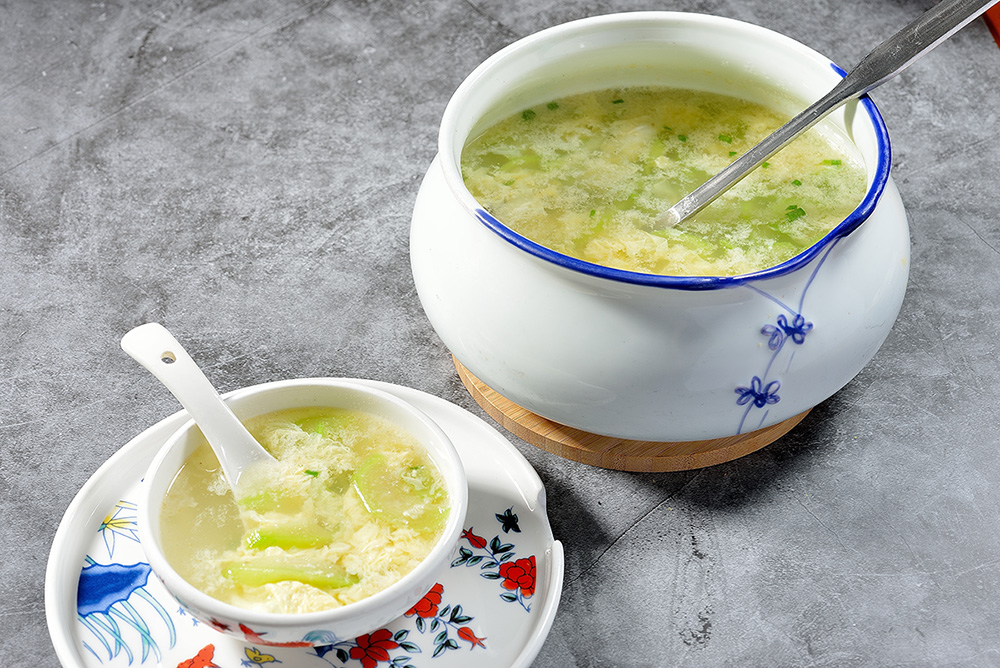
Whether infection occurs is mainly determined by three points:
1.Whether the eggs themselves carry Salmonella: Eggs may be contaminated by bacteria during production, transportation, and storage;
2.Whether the heating conditions meet the standard: Fully cooked eggs are the safest. Heating methods such as brief scalding, soft-boiled, and semi-raw cannot completely sterilize;
3.The strength of one's own immunity: For people with weak constitutions, even a very small amount of bacteria can cause severe discomfort.
III. Standard Safe Practices for Eating Eggs
According to safe cooking recommendations given by experts, eggs should be eaten fully cooked, with no semi-liquid soft-boiled egg liquid:
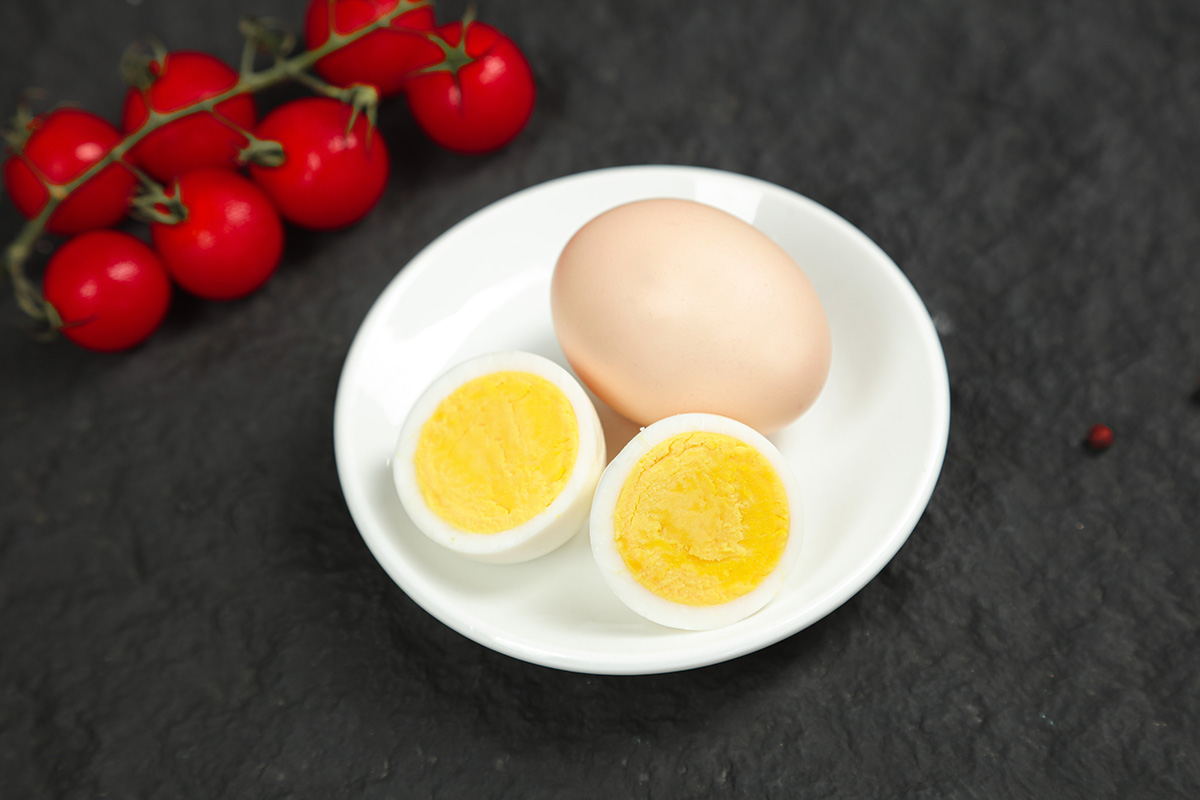
1.Boiled eggs: After the water boils, continue boiling for 7–8 minutes, until both the egg white and yolk are completely solidified;
2.Steamed egg custard: Steam continuously over medium heat for more than 10 minutes to ensure the central temperature of the food reaches 70°C;
3.Egg dishes such as scrambled eggs and egg soup should be fully stir-fried and boiled, and semi-raw states must be avoided.
IV. General Daily Tips for Preventing Bacterial Contamination in Food
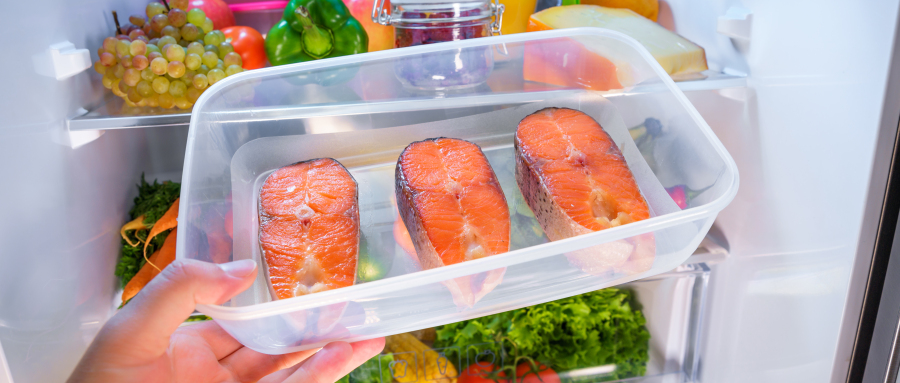
1.Cooked food should not be stored at room temperature for more than 2 hours. In hot weather, shorten the storage time as much as possible, and refrigerate leftover cooked food promptly;
2.When storing in the refrigerator, strictly separate raw and cooked foods. Place raw eggs and raw fresh meat on the lower layers, and cooked food and cold dishes on the upper layers, to avoid cross-contamination;
3.Leftover food taken out of the refrigerator must be thoroughly reheated before being eaten again;
4.Do not thaw frozen ingredients at room temperature for a long time; divide them into small portions and store them in the refrigerator;
5.Wash hands promptly after handling raw eggs, and use separate kitchen utensils, bowls, and chopsticks for raw and cooked foods.
In summer, with high temperatures, bacteria are active. We hope everyone will pay more attention to dietary details and eat safely, healthily, and peacefully!
Article source: Food Safety China
Image source: authorized image library