




 back

GB 7718-2025 General Rules for the Labeling of Prepackaged Foods, GB 28050-2025 General Rules for Nutrition Labeling of Prepackaged Foods, and the Measures for the Supervision and Administration of Food Labeling (Order No. 100 of the State Administration for Market Regulation) will be implemented from March 16, 2027. The new rules clarify a large number of red lines for labeling language, and they are worth understanding for both food production enterprises and ordinary consumers.
I. Nine Major Categories of Prohibited/Restricted Labeling Expressions
1.“Zero Addition” Category: The Entire Category Is Comprehensively Prohibited [New]
Prohibited terms: zero addition, 0 addition, no addition, not added, without addition, did not add, not used, not used, and all synonymous expressions (official list in Appendix A.5.3 of GB 7718-2025).
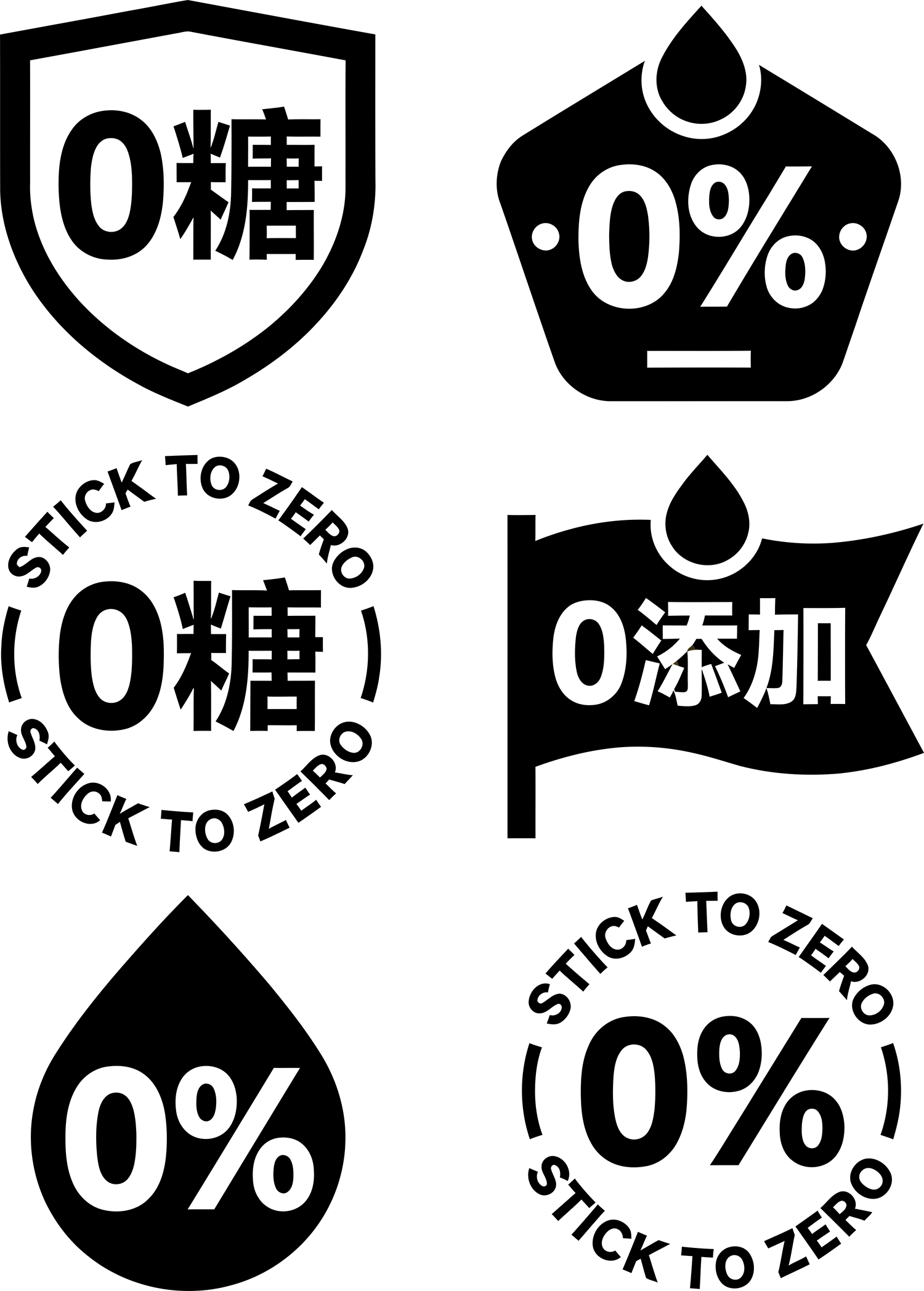
2.“Free of/Does Not Contain” Category: Not Completely Unusable, but the Threshold Is Extremely High [New]
Terms include: free of, does not contain, 0, zero, 0%, not contained, content is 0, etc.
For legal ingredients, claims of “free of/does not contain” require the ingredient's actual measured content to be zero, supported by testing reports; if it is a substance that food is inherently prohibited from adding and should not exist in the first place (certain prohibited additives, contaminants), it is absolutely forbidden to label “does not contain XX,” as this creates a false sense of security.
3.Nutrition Claims: Sugar-Free, Low-Fat, High-Calcium Cannot Be Written Casually [Conditional Restrictions]
The words “sugar-free, low-sugar, low-fat, high-calcium, rich in protein” are not illegal in themselves, but they must meet the mandatory content thresholds in national standards; otherwise, they constitute false labeling:
Sugar-free: ≤0.5 g/100 g (100 mL); low-sugar: ≤5 g/100 g (100 mL);
Fat-free: ≤0.5 g/100 g (100 mL); low-fat: solid ≤3 g/100 g, liquid ≤1.5 g/100 mL;
High/rich in protein: solid ≥20% NRV; contains protein: ≥10% NRV.
A major accompanying change: the nutrition facts table is upgraded from the old “1+4” to “1+6,” adding saturated fat and sugar; below the nutrition table, the following reminder must be printed: children and adolescents should avoid excessive intake of salt, oil, and sugar.
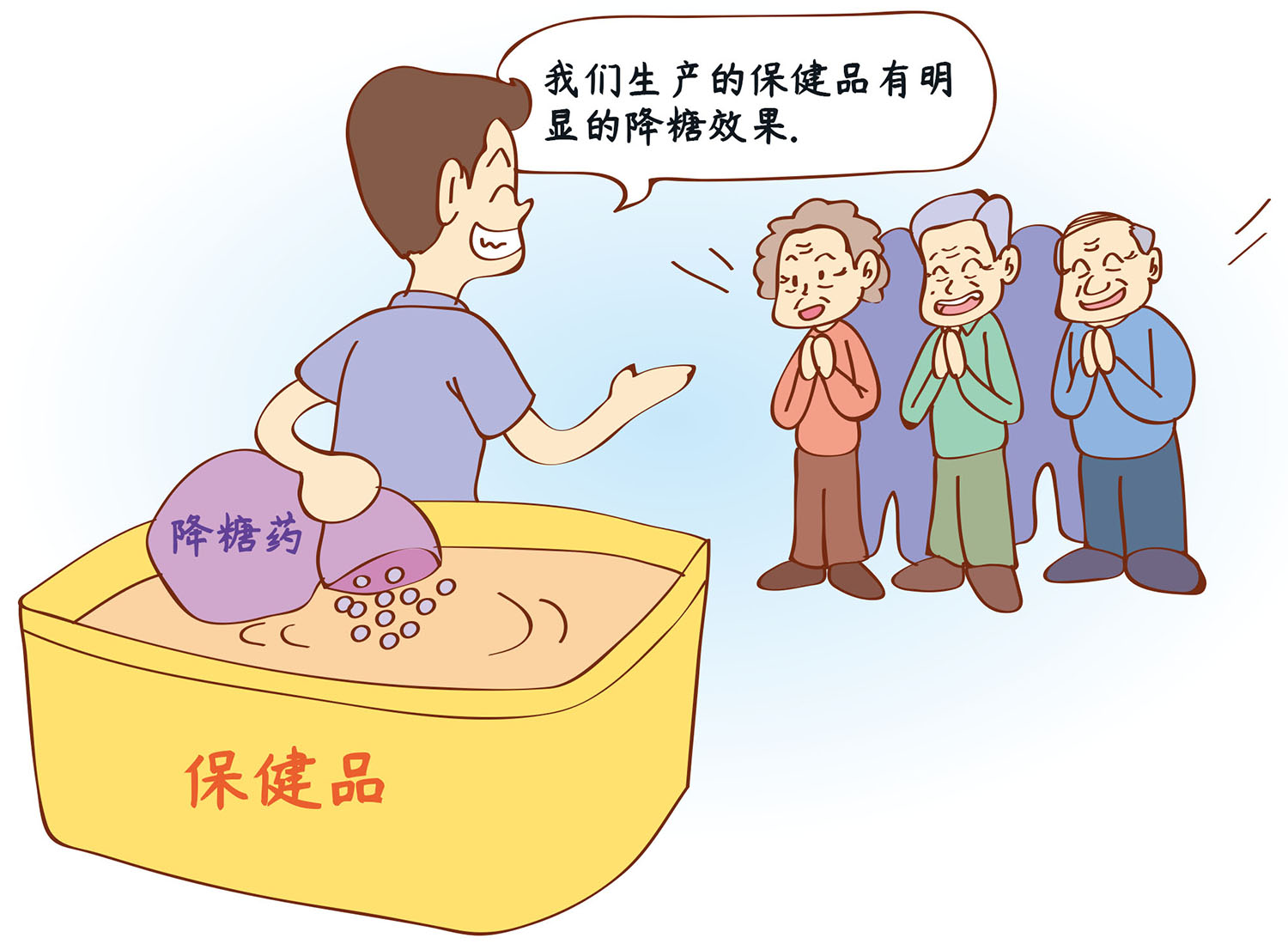
4.Disease Prevention, Treatment, and Health Care Functions: Absolute Red Line for Ordinary Foods
Ordinary foods (non-health foods) may not mention health care, disease prevention, or treatment in labels, product detail pages, or advertisements.
Prohibited examples: lowering lipids and blood pressure, enhancing immunity, appetizing and aiding digestion, clearing the lungs, lowering blood sugar, etc.
Only health foods, after national filing and approval, may label permitted health care functions. Violations may be punished under the Food Safety Law.
5.Absolute Terms: “Most, First, National-Level” Are Strictly Prohibited
According to the Advertising Law, labels and promotions are equally subject to restrictions.
Prohibited examples: best, top-level, No. 1 in sales, lowest price on the entire internet, national-level, etc.
Penalty reminder: violations may result in fines of RMB 200,000 to 1 million. Objective descriptions such as “smallest packaging” should also be risk-assessed.
6.Special Supply / Exclusive Supply / Internal Supply: Explicitly Prohibited [New Explicit Provision]
It is not permitted to label words or patterns indicating special supply, exclusive supply, or internal supply to Party and government organs or the military.
Penalties: RMB 10,000–30,000; in serious circumstances, RMB 30,000–100,000.
7.False Exaggeration and Layout Misleading Promotion
It is not permitted to play word games through font size, color differences, or layout, such as using large text to boast about selling points while small text quietly disclaims liability.
If the packaging emphasizes a certain ingredient (such as increased shrimp), the added amount of that ingredient must be labeled; ingredients mentioned in the food name must also be labeled with their content.
8.Violating Scientific Common Sense, Public Order and Good Morals, or Feudal Superstition; Belittling Competing Products
Metaphysical concepts, phrases about changing luck and warding off evil, and deliberately belittling other foods are all prohibited.
9.No Claim of “Children's Food, Suitable for Babies” Without Basis [New]
Writing “suitable for minors, children's food, suitable for babies to eat” must have a national standard/regulatory basis; without a basis, it constitutes misleading consumption and may result in a fine of up to RMB 30,000.

II. How to Understand the Transition Period?
Implementation date: March 16, 2027
Products produced after March 16, 2027: labels must fully comply with the new rules, and non-compliant old packaging can no longer be put into production; enterprises may also voluntarily revise packaging to align with the new standards in advance.

Inventory finished products produced before March 16, 2027 fall into two situations: if the label does not touch the prohibited clauses of the new rules, the product can be sold normally until the end of its shelf life; if the label contains content explicitly prohibited by the new rules (for example, labeling “zero added preservatives”), it must be removed from shelves from March 16, 2027 and cannot continue to be sold, regardless of shelf life.
For example, a product with an 18-month shelf life and packaging that says “zero addition,” even if it is still within its shelf life after March 16, 2027, cannot continue to be put on shelves for sale.
III. Compliance Reminders for Food Enterprises
1.Take inventory of existing packaging material stocks in advance, sort out non-compliant copy, and plan the revision pace, to avoid concentrated revisions near the deadline causing packaging material scrapping and losses;
2.For new product packaging, e-commerce product detail pages, and promotional posters, add label compliance review before finalization, with R&D, quality control, design, and marketing jointly checking;
3.Properly retain testing reports and technical materials for all nutrition claims and ingredient-emphasis promotions for regulatory verification;
4.Establish an internal label review mechanism and incorporate compliance review into the fixed processes for new product launches and packaging revisions.
IV. Purchasing Recommendations for Consumers
1.Compliant old-packaging foods manufactured before March 16, 2027, even if the nutrition facts table does not include saturated fat and sugar, are permitted under the old national standards and can be purchased and eaten normally without issue;
2.For foods produced after March 16, 2027, if the packaging still labels prohibited expressions such as “zero addition,” consumers may report this to market regulatory authorities;
3.When purchasing food, do not only look at promotional wording; learn to check the nutrition facts table and view various nutrition claims rationally.

