back
back

Many people deliberately avoid burnt, long-fried, and long-roasted foods when cooking to avoid acrylamide risks. But how should this be avoided when purchasing prepackaged foods and ready-made meals outside? The National Health Commission and the State Administration for Market Regulation have issued the National Food Safety Standard — Specification for the Control of Acrylamide Contamination in Food (GB 31665-2026), applicable to foods made from raw materials such as potatoes, cereals, and coffee beans processed by frying and baking, which will be officially implemented on August 18, 2027.
Acrylamide is a by-product naturally produced by high-temperature processing, and the risk of dietary intake in daily life is generally controllable. This new regulation is not only a clear control requirement for food operators, but its prevention and control concepts can also be borrowed for home cooking.

I. Production-Side Control: Source Screening + Process Optimization
Food producers and operators can follow the standard requirements and simultaneously implement prevention and control measures from raw material sources and the entire processing process to reduce the formation of acrylamide during food processing.
(I) Raw Material Source Control
The formation of acrylamide is inseparable from two basic substances: asparagine and reducing sugars. Prioritizing raw materials with lower contents of these two components can reduce the conditions for formation from the root.
Potato products: Prioritize potato raw materials with sufficient maturity, and remove green, spoiled, and unsuitable potato tubers before processing. If potato flour is used to make products, it can be paired with low-asparagine, low-reducing-sugar raw materials such as rice flour, appropriately reducing the proportion of potato flour; before high-temperature processing, try not to add high-reducing-sugar syrup.

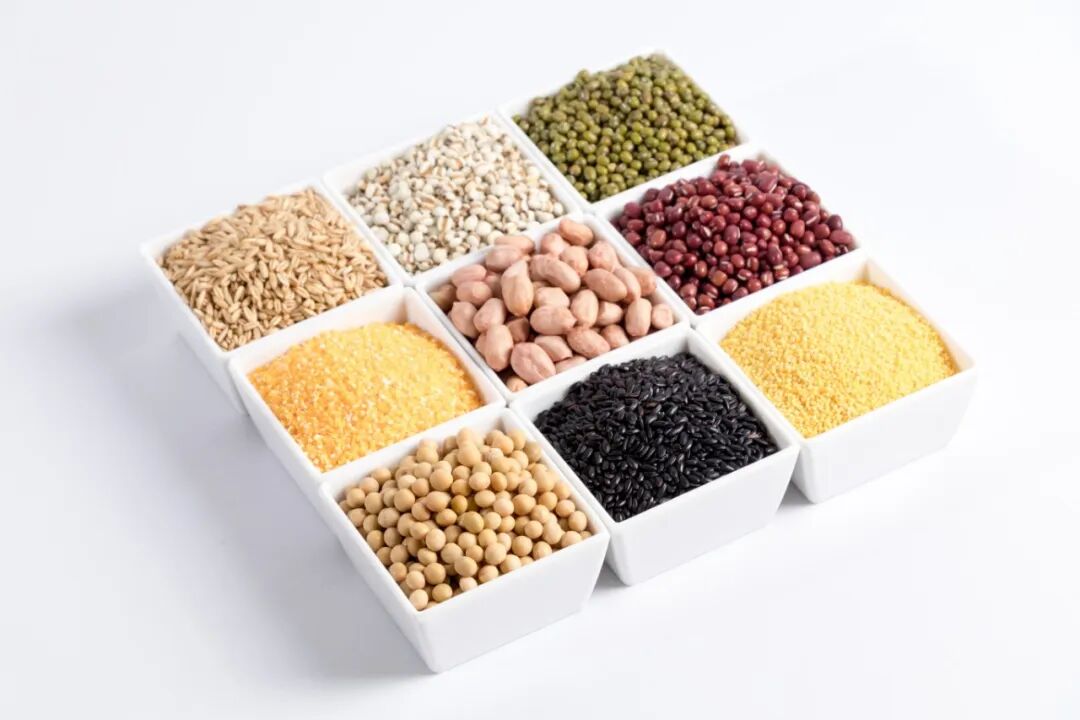
Cereal products: When formulating compound cereal recipes, replace part of the cereals with raw materials with lower asparagine content, and use fewer auxiliary materials with relatively high reducing sugar content.
Roasted coffee: Prioritize suitable coffee bean varieties, or adopt a blend of different green beans to reduce the baseline levels of reducing sugars and asparagine inherent in the raw materials.

(II) Processing Process Optimization
If reducing sugars need to be added in the production process, or spices carrying reducing sugars are used, it is recommended to add them after high-temperature processes such as frying and baking are completed.

Food additives such as asparaginase, antioxidants, acidity regulators, and ammonium-free leavening agents can be used compliantly to inhibit acrylamide formation, and all additive use must comply with GB 2760. At the same time, precisely control the temperature and duration of each baking stage, ensure proper transition between temperature increases and decreases, and eliminate excessive frying and excessive baking.
Potato products: Potatoes that have been stored at low temperatures should be warmed up before processing to reduce internal reducing sugar content. Rapid cooling after washing, blanching, and frying are all feasible reduction and control measures. For pre-made French fries that subsequently need to be frozen and refrigerated, after slicing, pretreatment can be completed by extending blanching time, increasing blanching temperature, and lowering the pH at the end of blanching.
Frying should follow the principle of low temperature and short time, and frying until light golden yellow is appropriate. Promptly pick out and remove burnt-black and overly dark finished products; regularly clean fryer residue and filter out fine food debris.

Cereal products: Dough can be treated with asparaginase or yeast fermentation to reduce free asparagine; appropriately lower the temperature at the final stage of baking and frying to avoid scorching the surface and excessive browning.

Roasted coffee: Test the moisture content of green beans before roasting, and reasonably set the entire roasting parameter set. In the early stage of roasting, ensure that the moisture in coffee beans is uniformly and fully removed; immediately stop heating after roasting is completed, and rapidly cool and rest. Regularly maintain and clean the entire set of equipment for roasting, cooling, smoke exhaust, and dust collection.

II. Consumer-Side Education: Rational View and Reasonable Diet
Acrylamide is not an artificially added food additive, but a processing by-product produced by high-temperature processing, and it is a risk substance that can be controlled through processing techniques. For ordinary people, under conventional dietary intake conditions, the related health risks are preventable and controllable.

In daily diet, everyone can reduce acrylamide intake through two habits:
Adhere to food diversity and a balanced diet, and try to eat less food that is seriously burnt, deep-fried, or roasted at high temperatures for a long time;
Home cooking can also borrow the prevention and control concepts in the standard: choose mature and intact potatoes, and warm refrigerated potatoes before processing; try to avoid long-term high-temperature frying and roasting, and it is sufficient for ingredients to be cooked and show a light yellow color.
Overall, GB 31665-2026 is both a specification constraining food production and operation entities and a practical guide for the entire industry to improve food safety control capabilities. Food production and operation units can benchmark against the new regulation in advance, grasp the two key points of raw material screening and process optimization, and reduce the risk of acrylamide contamination caused by improper processing. Consumers can also establish scientific understanding, objectively view the by-product problems brought by high-temperature processing, and do not need to be overly anxious at the sight of browned food.
Article source: Beijing Market Regulation
Image source: copyright image library