back
back

Frost's Descent is the last solar term of autumn—once this day passes, autumn is considered over, and winter is at the door. As the old saying goes: "A whole year of tonification is not as good as tonifying at Frost's Descent." This means that eating properly at this time is more nourishing than heavy tonification after winter begins.
So how exactly should one eat during Frost's Descent? Below is a compilation of relevant knowledge. Let's take a look.
I. How to Eat: Gentle Tonification, Not Reckless Tonification
Many people, upon hearing "tonification," immediately think of stewing a big pot of rich meat dishes. In fact, the key principle of Frost's Descent is gentle tonification—nourishing mildly, without causing internal heat, without being cloying.
What should be eaten more are these seasonal "earth" foods:
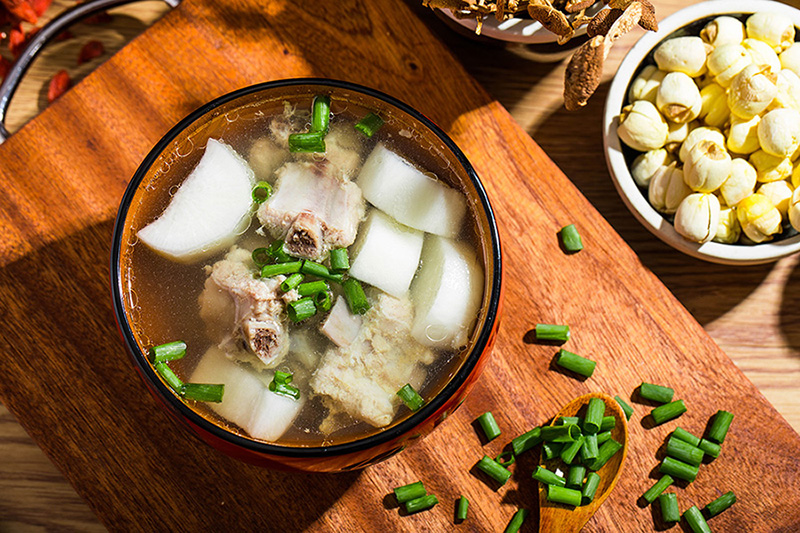
Pumpkin, sweet potato, Chinese yam, lotus root, radish, chestnuts—all are root and tuber foods in season around Frost's Descent. Traditional Chinese medicine holds that they have a "settling and descending" nature, precisely corresponding to the "gathering" qi of autumn. They are suitable for making porridge, steaming, or stewing soup—warming the stomach and moistening dryness.
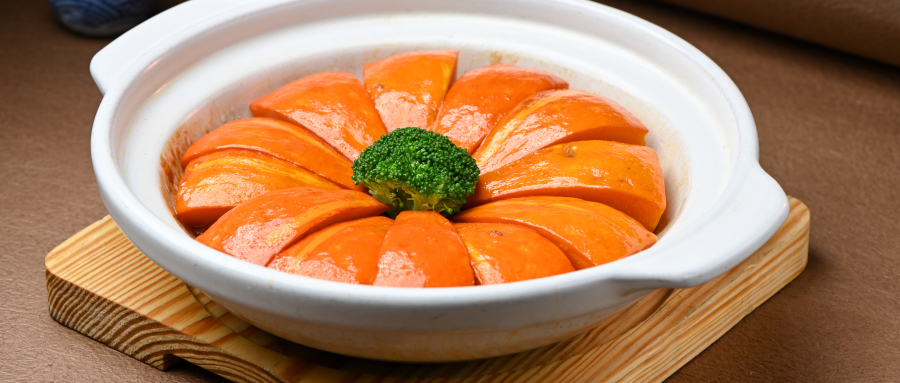
Snow fungus, lily bulbs, pears, honey water—during Frost's Descent, friends with dry throats and dry skin can eat these moistening yet not cloying ingredients. Pears are best eaten steamed, which is more nourishing than eating them raw.

Mutton, beef, chicken—as the weather turns cold, eat moderate amounts of warm-natured meats to dispel cold and warm the body. But note the word "moderate"—stewing a big pot and eating it for three consecutive days is a burden.
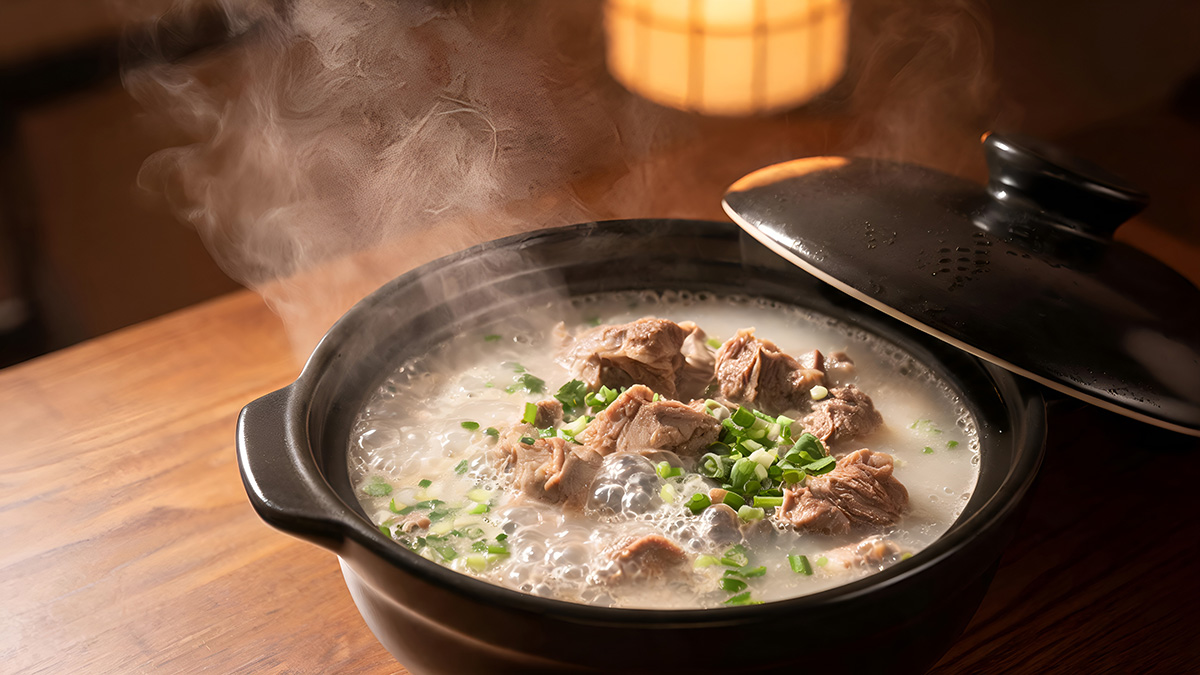
What to avoid: pungent and irritating foods (too much hot pot and barbecue easily adds dryness to dryness), iced and raw-cold foods (cold and cool damages the spleen and stomach), and rich, greasy, heavy foods (eating large amounts of fish and meat continuously will make the stomach and intestines protest first).
II. Three Seasonal Foods, Each with Its Own "Right Way to Eat"
Around Frost's Descent, three things are in season and are frequent guests on the dining table, but each one contains the knack of "eating it right."
1.Persimmons—"May Everything Go as You Wish," but Don't Be Greedy
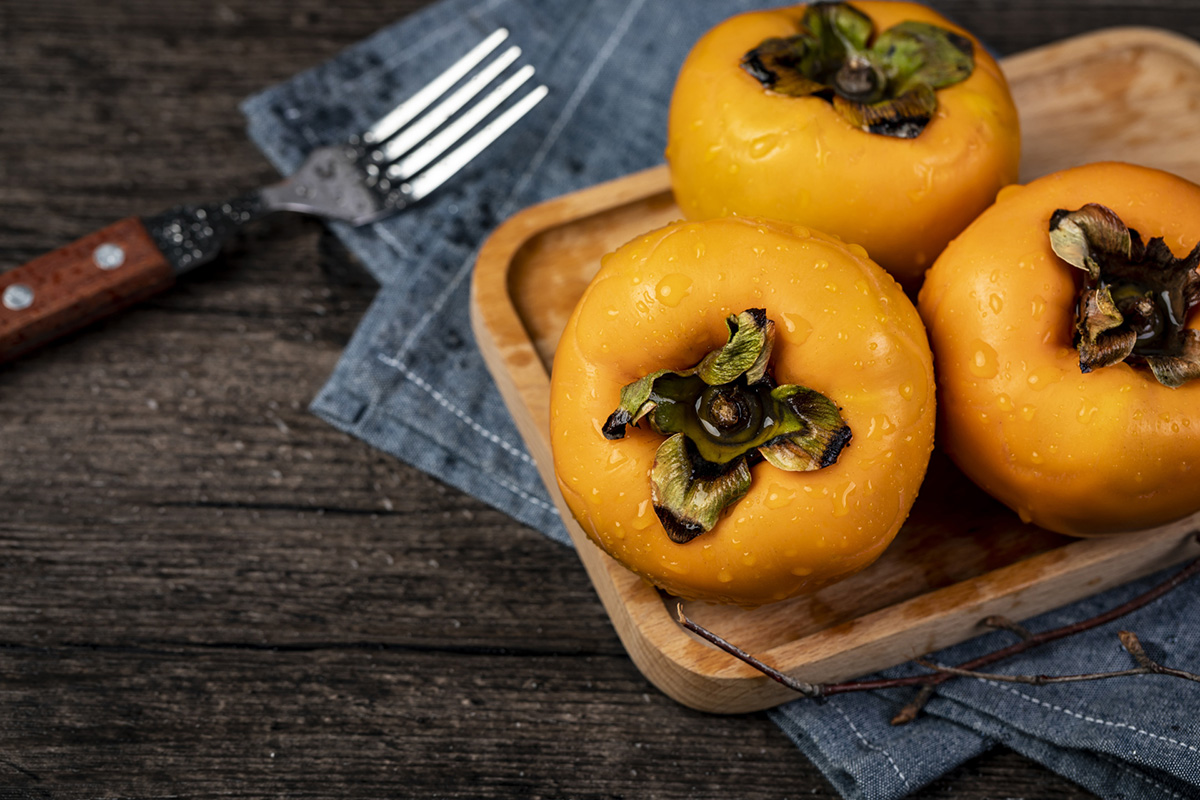
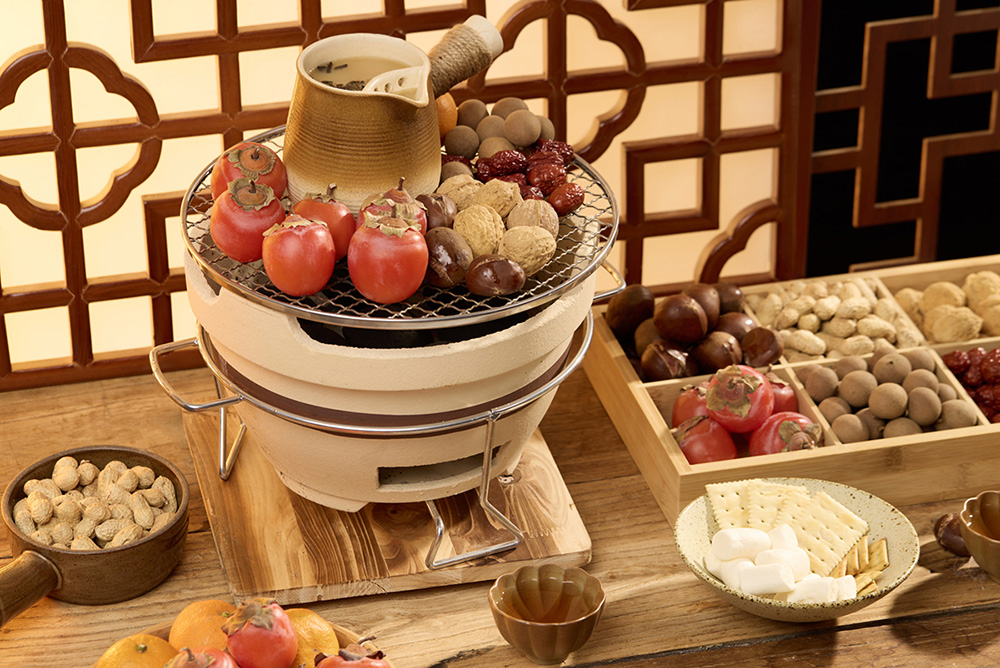
Around Frost's Descent is when persimmons taste best—thin skin, thick flesh, sweet juice. "Persimmon" sounds like "things," so it symbolizes "may everything go as you wish" for good luck.
But two groups of people are advised to taste less: patients with gastric ulcers or duodenal ulcers, and people currently taking iron supplements (the tannic acid in persimmons affects iron absorption). Ordinary people should also remember one rule: do not eat large amounts on an empty stomach, and do not eat astringent persimmons—strong astringency indicates high tannic acid content, and eating large amounts on an empty stomach can easily harm the stomach.
2.Chestnuts—Count Them as Staple Food, Not Snacks
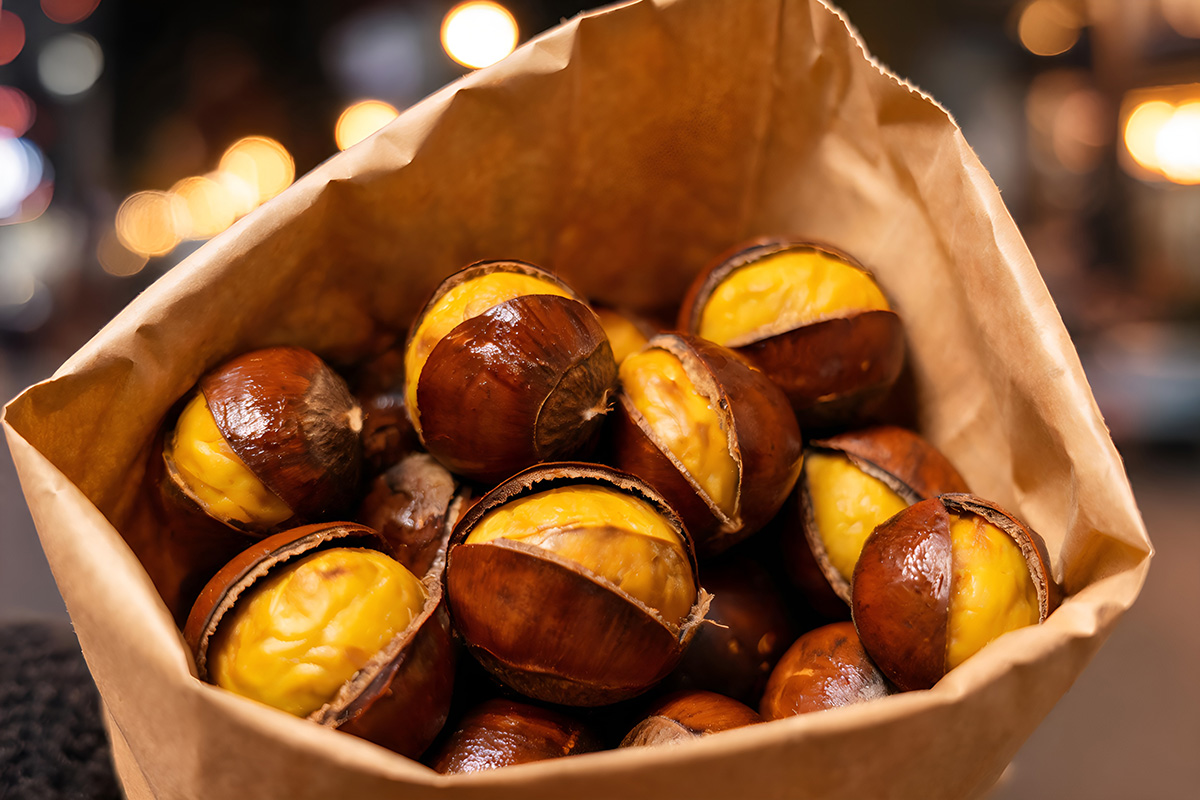
Once sugar-roasted chestnuts go on sale, it is hard to stop eating them. Experts recommend: ordinary adults should not exceed 8 per day, because they are high in starch and should be counted as "staple food," not snacks; diabetic patients should eat even less.
There is also a safety red line: chestnuts with blackened shells, bitter flesh, or mold spots must not be eaten—moldy chestnuts may contain aflatoxin, which is heat-resistant and cannot be eliminated even by boiling. It is a strong carcinogen.
3.Radish—"Radish After Autumn Is Better Than Ginseng"
Radish at Frost's Descent is crisp and sweet. Eating it raw cuts through greasiness, and stewing it in soup warms the stomach. Its dietary fiber and mustard oil also help the stomach and intestines move. Suitable for both the elderly and children; steaming or boiling until soft and tender makes it easier to digest.
III. Draw Three Safety Lines for "Tonification"
1.Warm tonification is not the same as reckless tonification. The prerequisite for heavy tonification is that the body can handle it. People who are deficient and cannot receive tonification, or who get internal heat as soon as they tonify, should start with light porridge and soup, not seeking to accomplish everything in one step.
2.Raw and cold foods should be controlled, but do not overcorrect. Occasionally eating something cold is fine, but do not eat too much.
3.Fresh ingredients come first. No matter how precious the tonic, anything moldy, spoiled, or with off-odors must be thrown away—frugality is a virtue, but it should not be applied to eating bad things.
Once Frost's Descent passes, autumn is about to take its final bow. The emphasis of this day, in the final analysis, is not mysticism but eating according to the season: when it turns cold, eat a little warmer; when the air is dry, eat a little more moistening; what should be gathered, gather; what should be stored, store.
This article is compiled and organized from the internet
Image source: copyright image library