back
back

Once Cold Dew passes, there is a chill in the wind. Many people think that diarrhea is a summer thing—hot weather, food spoils easily. But if you take a walk around a hospital emergency department, you will find that after autumn begins, the number of people rushing to the hospital because of acute gastroenteritis is no less than in summer.
The reason is somewhat counterintuitive: once the weather turns cool, people relax their guard. They think, "At this temperature, it's fine to leave food out for two hours," "Reheating it in the pan makes it clean," "Soft-boiled eggs are so tender." But it is precisely these "close enoughs" that make autumn another small peak for foodborne diseases.
Today we will talk about three of the most easily overlooked "hidden players." After reading this, you will probably be more careful the next time you eat.
I. That Bowl of Rice That "Looks Fine"
Bacillus cereus. The place it most often resides is not meat, not vegetables, but staple foods such as rice, fried rice, rice noodles, cold noodles, and rice rolls. Therefore, the poisoning it causes has a nickname: "fried rice syndrome."
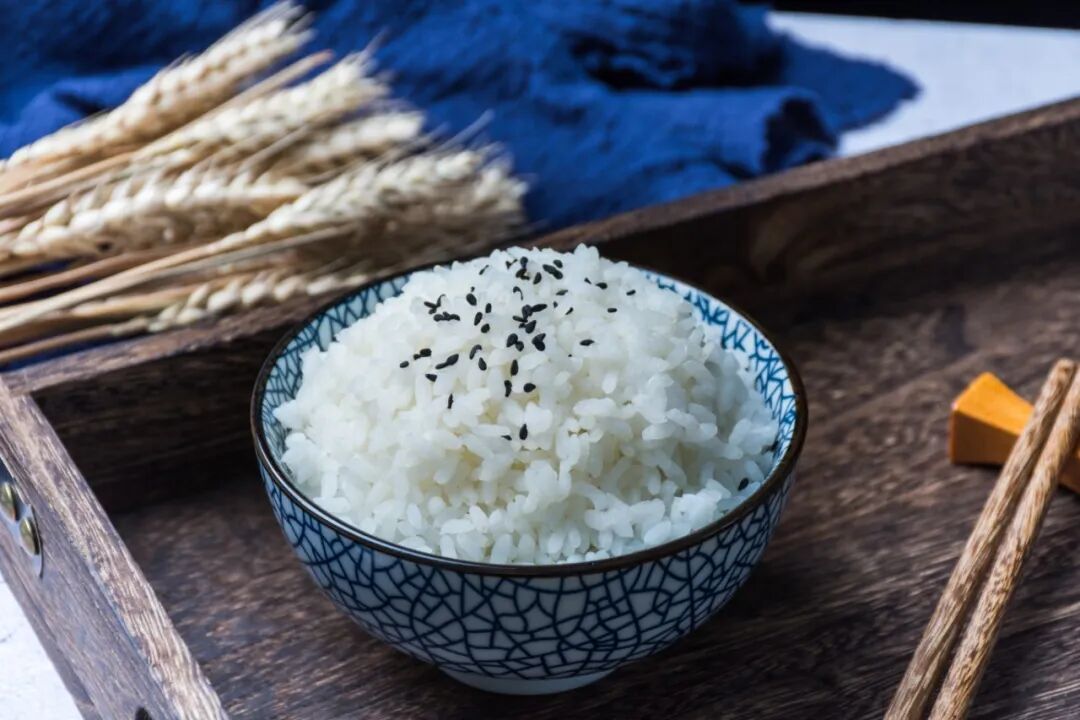
Its temperament is very particular: it hates dryness and loves room temperature.
It is indeed killed when rice is steamed, but its spores can mix into the rice—heat-resistant, and not killed by a single steaming. Once rice is left at room temperature for a long time (especially between 20°C and 30°C), the spores awaken, multiply, and release toxins. What is more troublesome is that the emetic toxin it produces cannot be destroyed by ordinary heating at all—you think, "Just stir-fry it again and it will be fine," but the toxin is still inside.
This is why some leftover rice "smells fine and looks unspoiled," yet after eating it, people feel nauseous and vomit.
How to Prevent It in Daily Life
Make rice for the meal and finish it in the same meal; try not to leave it overnight;
Leftover rice should go into the refrigerator within 2 hours (not left on the dining table to cool), and when eaten again, it must be thoroughly boiled and steamed through;
For takeout fried rice and convenience store rice balls, do not keep them stuffed in your bag after buying them; refrigerate them immediately when you get home;
If the rice feels "a little elastic, not quite fresh," do not hesitate—throwing it away is no waste.
II. The "Frequent Guest" Behind That Soft-Boiled Egg
Salmonella. It is especially common in poultry eggs and raw chicken. Even if the eggshell looks clean, the surface may carry bacteria. It is not afraid of cold—it can survive in the refrigerator; above 20°C it begins to multiply wildly, and 37°C is most comfortable for it.
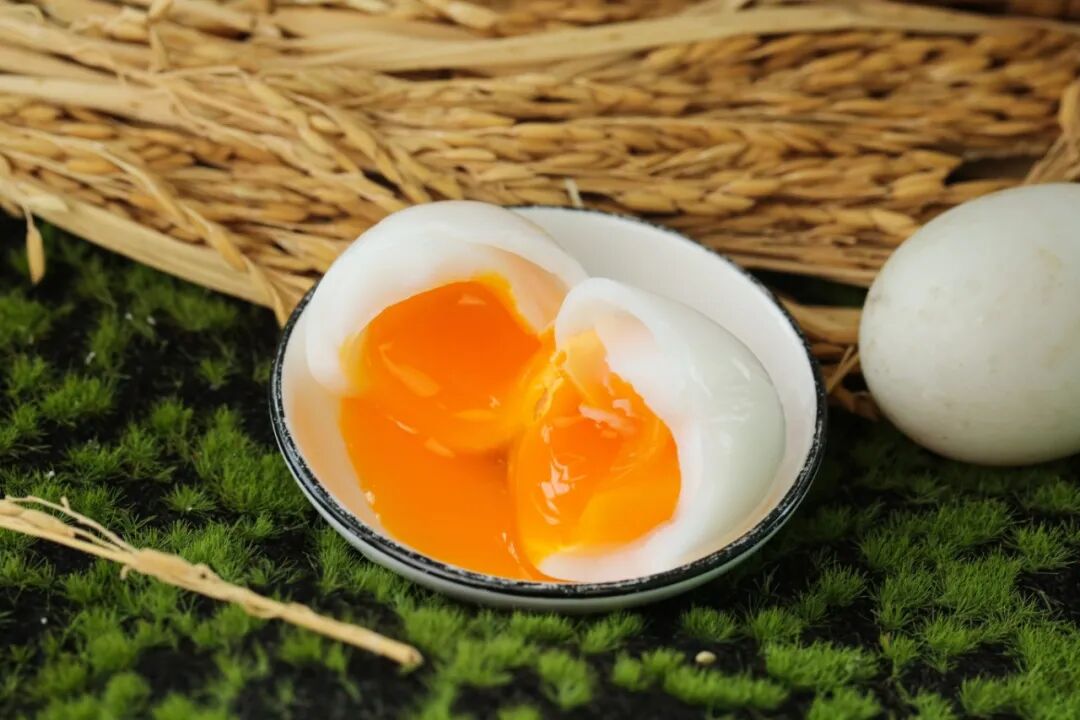
After the weather turns cool, people instead prefer "tender": soft-boiled eggs, runny cheese eggs, chicken nuggets with a pink core, medium-rare chicken steak. For healthy young adults, an occasional instance may be tolerable; but for the elderly, children, pregnant women, and people with weak stomachs, one infection means a trip to the hospital.
How to Prevent It in Daily Life
After buying eggs, wipe them clean before putting them in the refrigerator; do not let the dirt on the shells enter the storage box;
Keep two sets of knives and cutting boards at home; do not use the one for cutting raw meat to cut cold dishes;
Thaw raw meat in the lower part of the refrigerator, not soaked in the sink at room temperature, and even less rinsed with hot water;
For eggs eaten by children, the elderly, and pregnant women, the yolk and white must be completely solidified; when eating out, people with weak stomachs should order dishes such as soft-boiled eggs with caution.
III. Those Hands Without an Adhesive Bandage
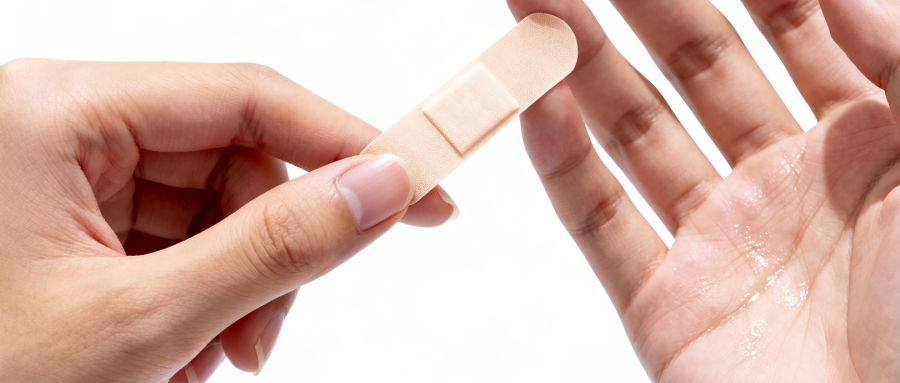
Staphylococcus aureus. It mainly hides in human nasal cavity, throat, festering wounds, acne, hangnails, and paronychia. If your hand has a small cut or a hangnail, and you do not put on an adhesive bandage before mixing cold dishes, touching cooked food, or kneading steamed buns—it enters the food with you.
The enterotoxin it produces is also heat-resistant; even after thorough cooking, it is still there. In autumn, the air is dry, hands easily peel and develop hangnails, and this problem is even more common than in summer.
How to Prevent It in Daily Life
If your hand is injured, put on a waterproof adhesive bandage before touching food, or do not touch cold dishes that are eaten directly;
Before cooking, before eating, and after using the toilet, wash hands with soap for at least 20 seconds;
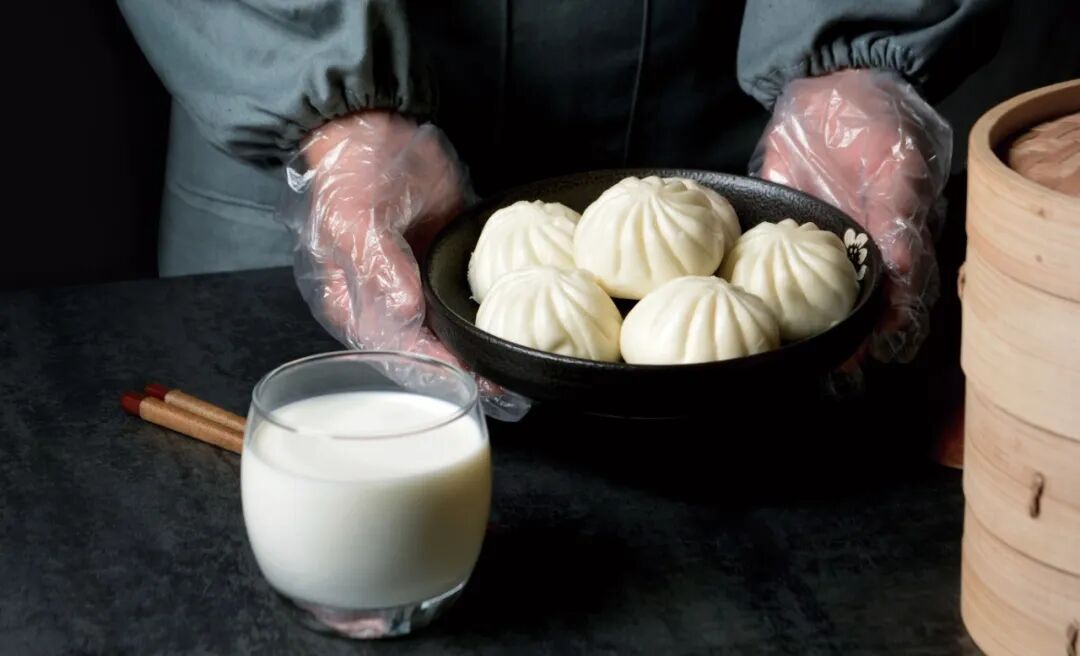
When buying cold dishes, braised food, or pre-cut fruit platters outside, pay attention to whether the vendor's hands are clean and whether they wear gloves;
When serving food or at a buffet, do not cough or sneeze toward the food containers; turn your head and raise your hand to cover.
Autumn diarrhea is often not "catching a chill," but "eating something bad."
Those extra two minutes, that bowl of leftover rice you threw away, that soft-boiled egg you changed to fully cooked—they seem troublesome, but in fact they are all taking bullets for your stomach and intestines.
When the weather turns cool, remember to add clothes, and also remember to be a little more careful about what is in your bowl. Eating well is better than any supplement.
Image source | Copyright image library