back
back

When it comes to daily eating and food shopping, many people habitually make judgments based on entrenched experience: frozen fruits and vegetables are not as good as fresh ones, coastal residents will not lack iodine... These deeply rooted ideas are actually not entirely correct. Let us hear what experts say and avoid dietary cognitive traps.
Misconception 1: Only Deep-Sea Fish Can Supplement DHA
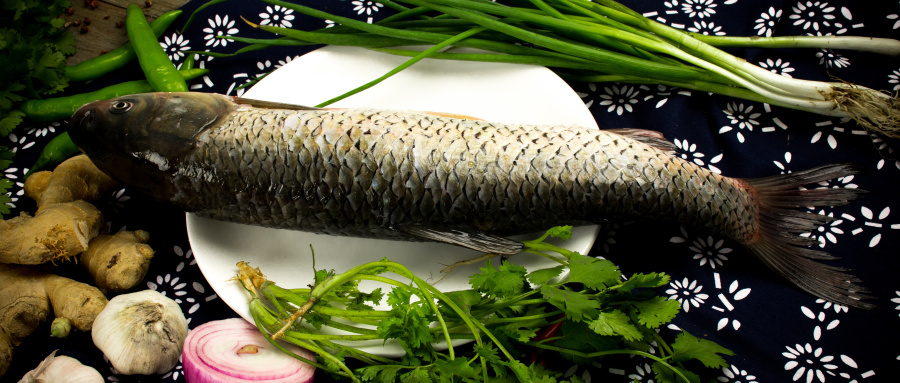
He Li, a researcher at the Institute of Nutrition and Health, Chinese Center for Disease Control and Prevention, said that DHA is important for brain health, retinal health, and cardiovascular protection. The human body has a weak ability to synthesize it and needs to obtain it from food. DHA in fish comes from algal enrichment. Freshwater fish can also supplement DHA; it is not exclusive to deep-sea fish.
The Dietary Guidelines for Chinese Residents (2022) recommend eating aquatic products 2–3 times a week, with a total amount maintained at 300–500 grams. Replacing part of red meat with fish can optimize the dietary fatty acid composition.
Misconception 2: Eating a Little More Salt Is Not Very Harmful
Ding Gangqiang, former director of the Institute of Nutrition and Health, Chinese Center for Disease Control and Prevention, introduced that a high-salt diet can not only cause hypertension but is also a hidden driver of osteoporosis. When the human body excretes sodium, it also takes away part of the calcium. A long-term heavy-flavor diet will continuously consume bone mass in the body and increase the risk of osteoporosis.
The average daily salt intake of Chinese residents is about 9.3 grams, far exceeding the recommended upper limit of 5 grams per day; at the same time, most people have insufficient calcium intake, and the two together affect bone health. To reduce salt in daily life, in addition to controlling the salt added when cooking, you can use a salt-restriction spoon, add salt before the dish is taken off the heat, and use scallion, ginger, garlic, and spices to replace salt for flavoring. Also pay attention to hidden salt in soy sauce and pickles, and give priority to low-sodium products.
Misconception 3: Fresh Fruits and Vegetables Are Definitely Better Than Frozen Fruits and Vegetables
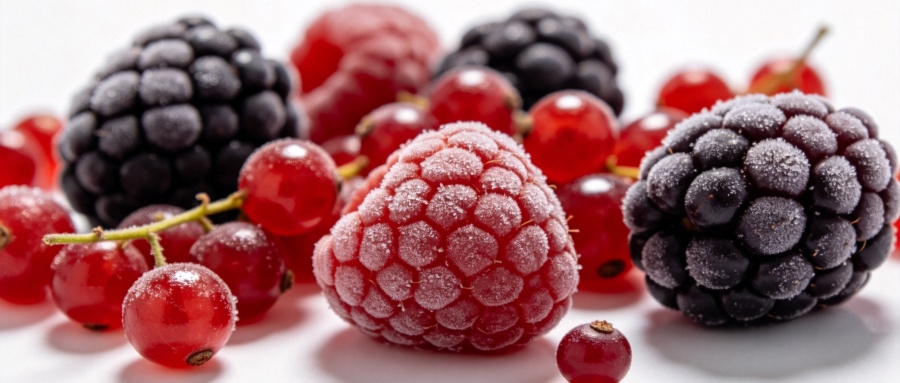
Many people think that frozen fruits and vegetables will lose a large amount of nutrients after long-term storage. Zhong Kai, director of the Kexin Food and Health Information Exchange Center, explained that the nutritional value of frozen fruits and vegetables is not inferior to that of fresh fruits and vegetables.
Frozen fruits and vegetables are harvested when the fruit is at its best ripeness and then immediately quick-frozen to lock in nutrients, resulting in less nutrient loss during storage and transportation. Moreover, the freezing process does not need to rely on preservatives to keep food fresh. It can realize year-round supply of seasonal fruits such as lychee and durian, and is a good choice for enriching the daily diet.
Misconception 4: To Supplement Dietary Fiber, Eating More Green Vegetables Is Enough
Ruan Guangfeng, deputy director of the Kexin Food and Health Information Exchange Center, mentioned that the dietary fiber intake of Chinese residents is generally insufficient, with the average intake only reaching half of the recommended 25 grams per day.
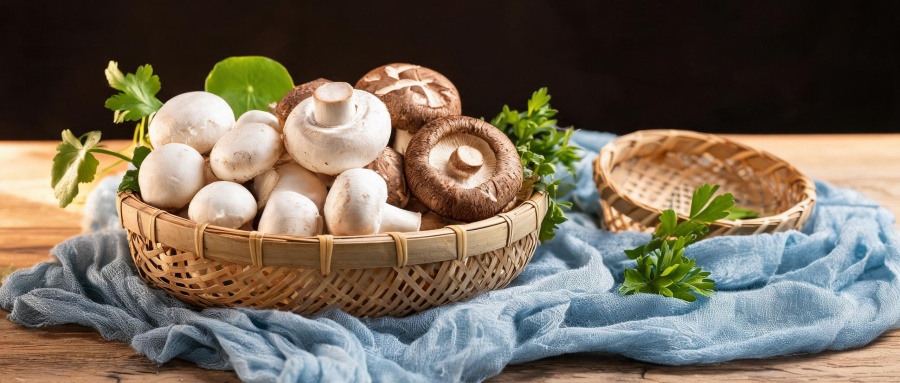
To adequately supplement dietary fiber, relying only on green leafy vegetables is far from enough. The diet should also include whole grains, mixed beans, and mushrooms. Dietary fiber is divided into soluble and insoluble types. Soluble dietary fiber can act as a prebiotic to support intestinal health. When purchasing food, you can also pay attention to the dietary fiber values on the packaging and choose products such as high-fiber oat milk and high-fiber biscuits as auxiliary supplements.
Misconception 5: If You Live by the Sea, You Do Not Need to Worry About Iodine Deficiency
Zuo Xiaoxia, director of the Nutrition Department of the Eighth Medical Center of the Chinese PLA General Hospital, reminded that except for a few high-water-iodine areas, whether among inland or coastal populations, 60%–80% of the iodine in the diet comes from iodized salt.
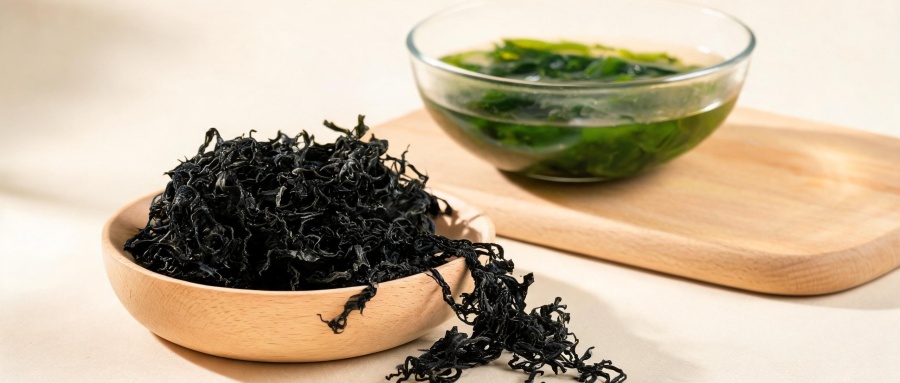
Among seafood, only algae such as kelp and nori have prominent iodine content; dried seafood such as dried small shrimp has limited iodine content, and the daily consumption amount is too small to easily supplement iodine. Even if you live in a coastal area, if you rarely eat seaweed, it is still recommended to consume iodized salt. Iodine deficiency among pregnant women in coastal areas is particularly common and requires special attention.
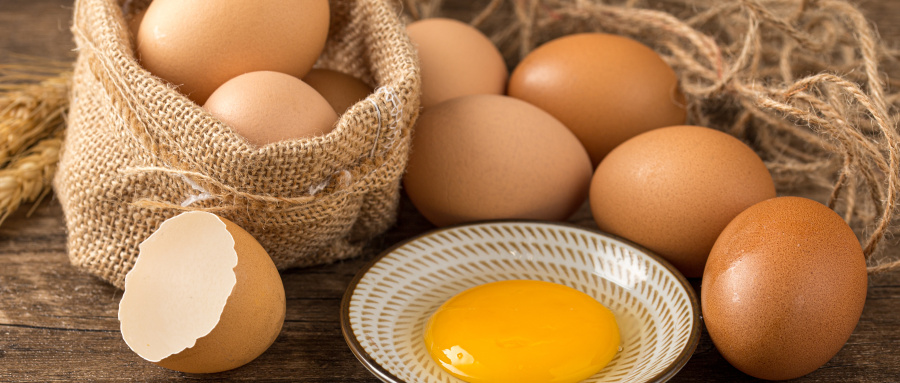
Misconception 6: Darker Yolks and Free-Range Eggs Mean Higher Nutritional Value
Fan Zhihong, a professor at China Agricultural University, pointed out that eggs are an extremely cost-effective source of high-quality protein. However, yolk color, eggshell color, eggshell thickness, egg size (under the same weight), and whether the eggs are free-range have no necessary relationship with the basic nutrition of eggs.
If you simply want to supplement protein and vitamins, choosing fresh eggs and storing them refrigerated is sufficient. If you want to additionally intake DHA and lutein, you can specifically purchase fortified eggs and pay attention to the active ingredient content marked on the packaging. For healthy people, under the premise of no medical restrictions, eating one egg a day is beneficial to the body.
There is no unchanging "universal rule" for healthy eating, and many long-circulated common beliefs are one-sided. When choosing food, do not blindly follow online rumors. Understanding food labels and maintaining food diversity are simple and reliable healthy eating practices.
This article is compiled from China Consumer News
Image source: authorized image library