back
back

Nowadays, more and more people will flip through the ingredient list first when purchasing food. People no longer pursue taste alone; they increasingly expect food with clean ingredients, clear composition, and few additives. Therefore, the clean label has gradually become a direction for high-quality development in the food industry.
I. What Is a Clean Label?
The Clean Label is a high-level food safety and quality standard originating in Europe and popular worldwide. In the 1980s and 1990s, the United Kingdom experienced multiple public food safety incidents, and consumers' trust in industrialized food and artificial additives declined. Against this background, a clean label movement advocating "natural and simple" arose in the United Kingdom, then gradually spread throughout the European Union, and attracted increasing attention from the food industries of more and more countries.
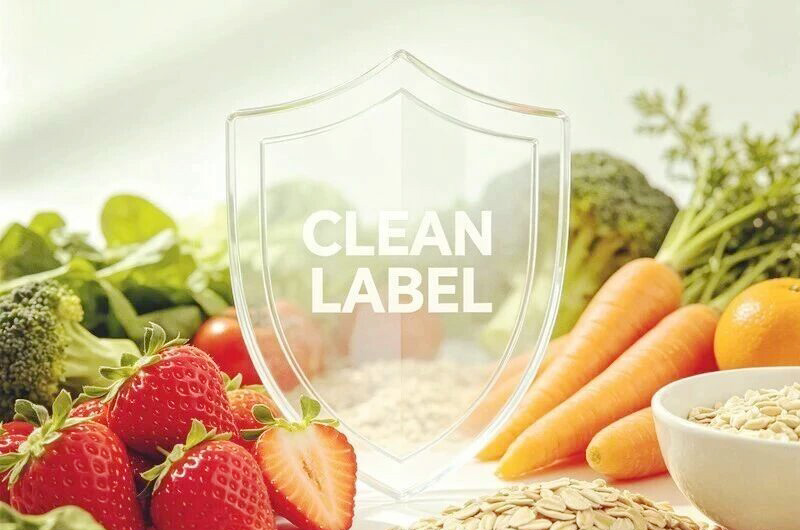
The core of the clean label can be condensed into four keywords: transparent and straightforward ingredients, rejection of unnecessary artificial additives, pure raw materials, and clean and controllable production across the entire chain.
It is worth noting that the clean label is not an official mandatory mark, but represents an industry concept and consumer trend. Therefore, practicing the clean label is a voluntary act of enterprises and reflects the implementation of higher quality control requirements by enterprises.
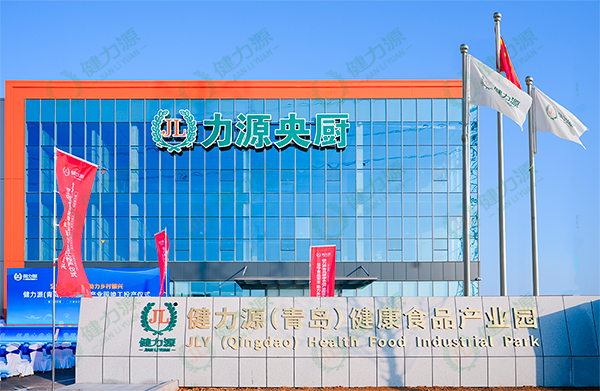
As an important part of Jianliyuan Group's integration of primary, secondary, and tertiary industries, Liyuan Central Kitchen · Fresh Food Factory has five core production lines: fresh-cut vegetable processing, meat processing, aquatic product processing, braised and marinated products, and flour-based food and baking. In the production process, the central kitchen actively implements the Group's core values of "being a conscientious enterprise and selling reassuring food," deeply practices the "clean label" concept, and truly turns this high-level food safety and quality standard into production criteria that can be implemented and verified.
II. How Does Liyuan Central Kitchen Practice the "Clean Label" Concept?
So how does Liyuan Central Kitchen advance the implementation of the "clean label"? It is mainly manifested in four dimensions of protection. Let us understand them one by one.
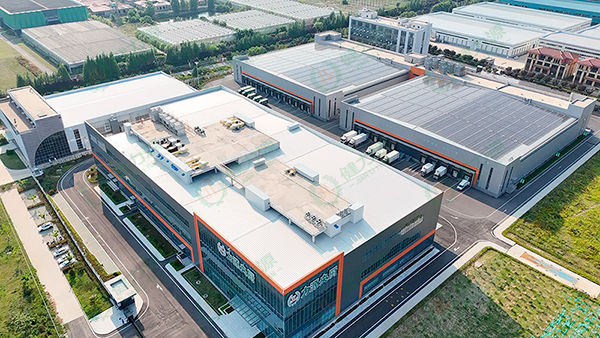
1.Hardware Dimension: First-Class Facilities to Create a Standardized Clean Factory Area
The implementation of the clean label is by no means merely formula optimization, but a systematic project relying on top-tier production hardware and a standardized clean environment.
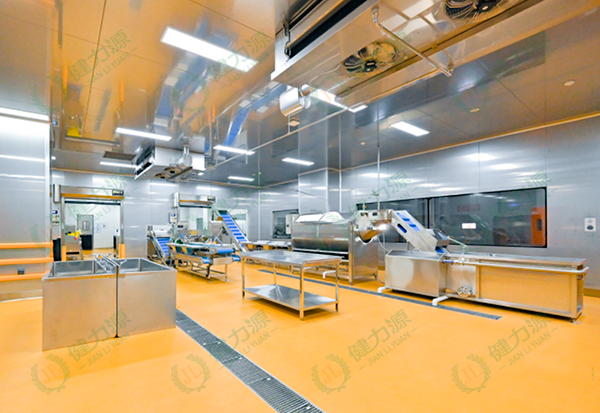
The production lines of Liyuan Central Kitchen are rationally laid out and scientifically rigorous, achieving separation of raw and cooked areas and dual-channel separation of people and logistics, eliminating cross-contamination from the spatial layout.
The construction materials used in the central kitchen (partition walls, ceiling materials, flooring materials, floor drains, etc.) all adopt internationally first-class brands, which are environmentally friendly, non-toxic, antibacterial, and bacteriostatic. At the same time, it is equipped with advanced ozone disinfection systems, air purification systems (air cleanliness up to Class 100,000 standard), water purification systems, air shower dust removal systems, etc., comprehensively building a safe and clean production environment.
Advanced equipment and facilities such as product quick-freezing equipment, multi-round graded disinfection equipment, foreign object detection equipment, and vacuum packaging equipment also provide strong hardware support for the implementation of the clean label.
2.Process Dimension: Minimalist Formula, Zero Unnecessary Additives
If hardware is the foundation for implementing the clean label, then formula research and development is its core.
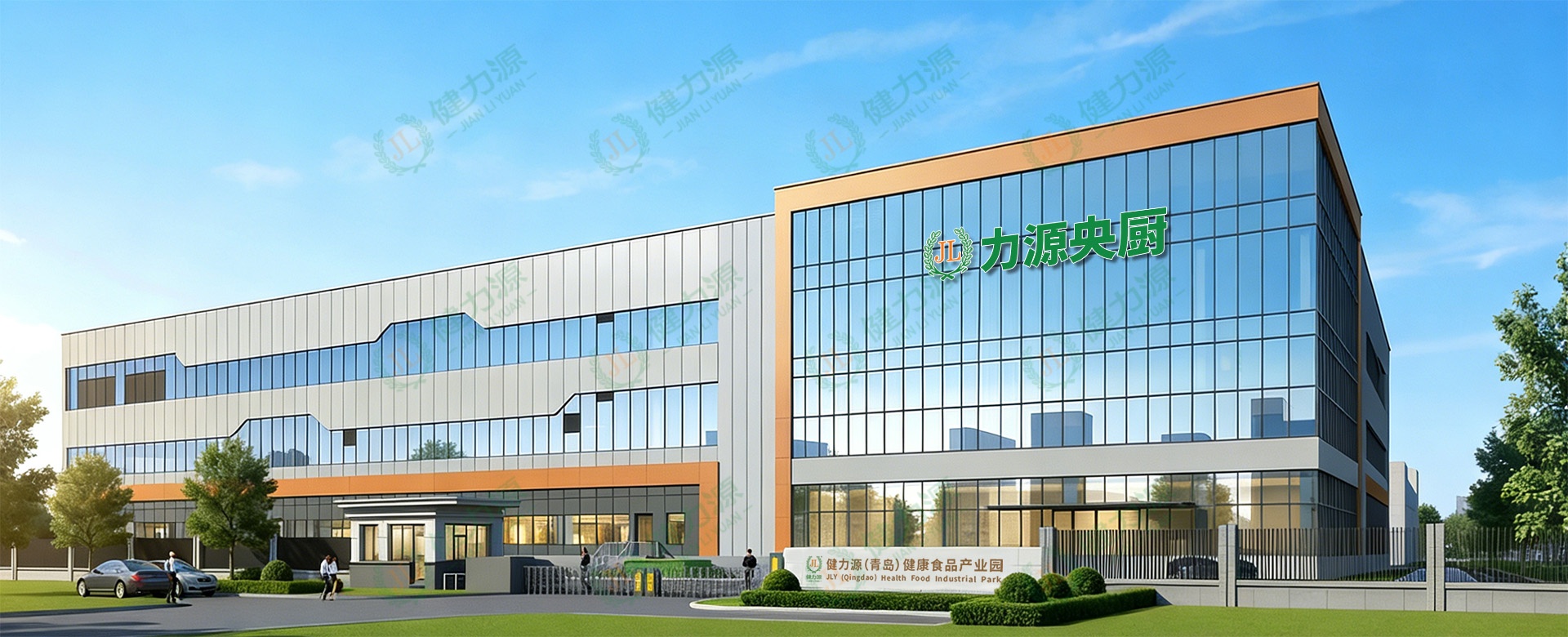
Liyuan Central Kitchen deeply cultivates food research and development and adheres to the R&D philosophy of "rejecting preservatives, rejecting artificial colors and flavors, and rejecting phosphate and other water-retention agents." It abandons the industry practice of using additives for coloring, flavor enhancement, water retention, and shaping, and instead uses real ingredient ratios and optimized production processes to restore natural original flavors, truly writing the "three production red lines" into every product:
Never use minced chicken and duck meat or fatty trimmings as fillers;
All products have zero artificial preservatives, zero artificial synthetic flavors, and zero unnecessary colloidal water-retention agents;
Ingredient labels are transparent and easy to understand throughout.
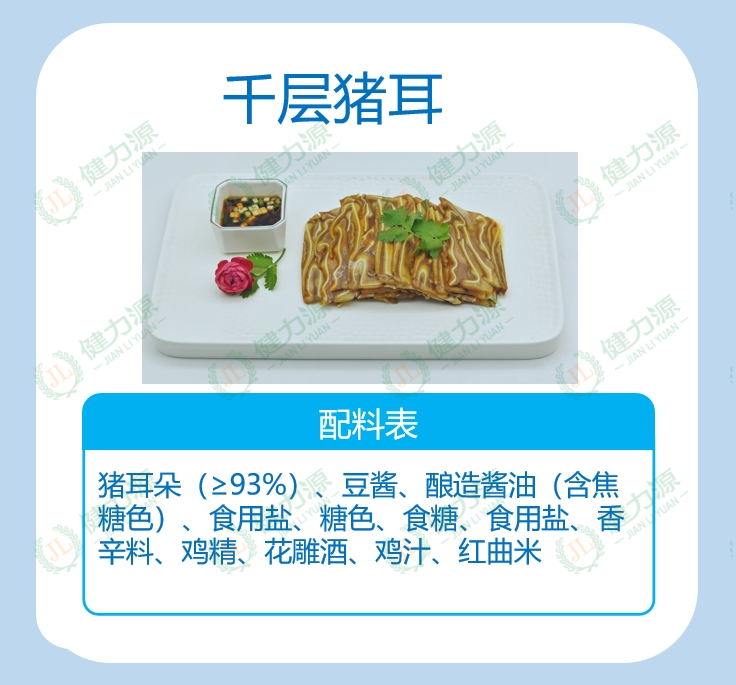
Example: Ingredient List of Liyuan Central Kitchen Product "Thousand-Layer Pig Ear"
In terms of process, Liyuan Central Kitchen abandons traditional chemical preservation and adopts low-temperature physical preservation and precise temperature-controlled freshness-locking processes, replacing preservatives with advanced production technology. While extending the freshness period, it locks in the original nutrition and taste of ingredients to the greatest extent.
3.Testing Dimension: Rigorous Quality Control, Truly Controlling the Output Gate
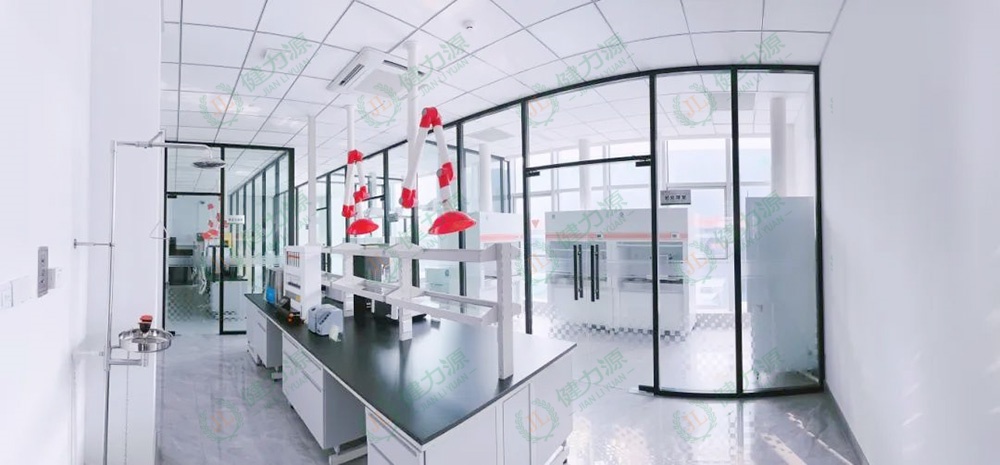
Liyuan Central Kitchen is equipped with an independent professional testing center, equipped with high-precision instruments such as high-performance liquid chromatographs and gas chromatographs, and screens each batch of products item by item for pesticide residues, veterinary drug residues, and additive content. The detection limits can reach the standards for export to the European Union. Through rigorous quality control practices, the testing center provides the central kitchen products with the confidence of a "clean, safe, and controllable" clean label.
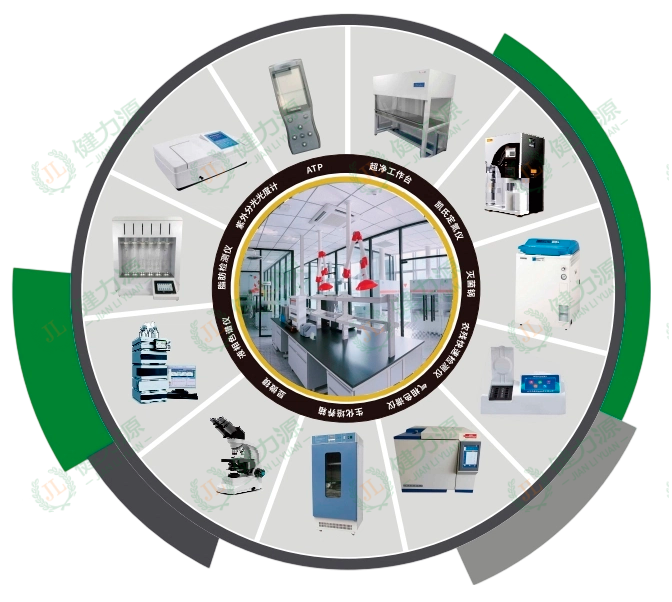
4.Full-Chain Dimension: From Field to Table, the Entire Process Is Controllable and Traceable
The clean label is not the compliance of a single link, but systematic quality control across the entire industrial chain and the entire production cycle. Liyuan Central Kitchen has built a full-chain closed-loop control system of "direct sourcing at the source, on-site production, and cold-chain storage and transportation."
Source end: Relying on Jianliyuan's own ecological farms, agricultural product planting bases, and livestock and poultry breeding bases, it achieves centralized direct procurement and targeted supply; for fresh raw materials, not only must suppliers provide qualified testing certificates, but before warehousing they must also undergo dual testing by the company's testing center and third-party institutions, strictly controlling veterinary drug residues, pesticide residues, and heavy metals. Nonconforming raw materials are directly rejected.
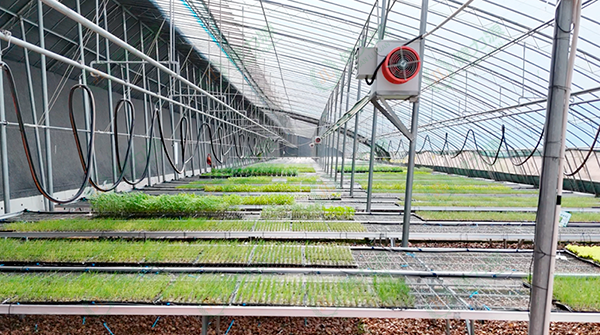
Production end: Workers can only enter after a full set of disinfection and air shower dust removal, and they must change clothes a second time before entering the production area. At the same time, operating tables and processing equipment are deeply disinfected at different time periods to eliminate bacterial growth and cross-contamination.
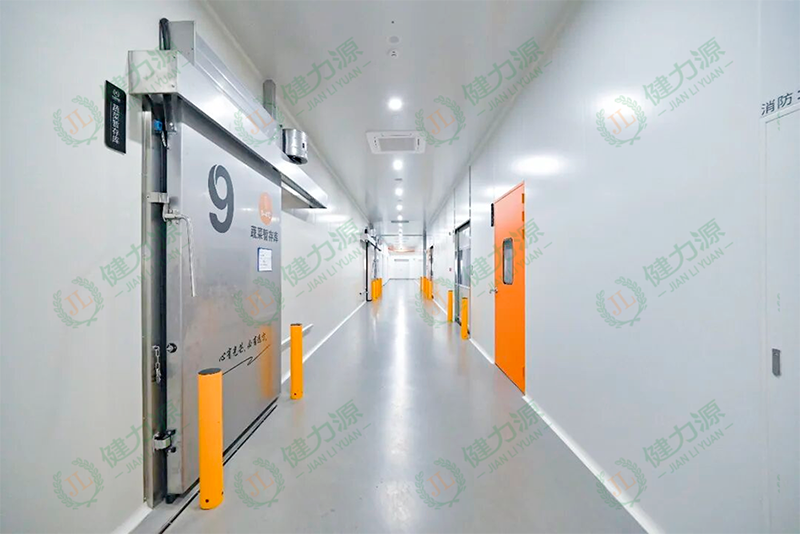
Storage and transportation end: Finished products are stored at low temperature throughout and transported by cold chain, with strict control of storage and transportation temperature and humidity, ensuring product quality throughout the entire process of leaving the factory, transportation, and delivery.
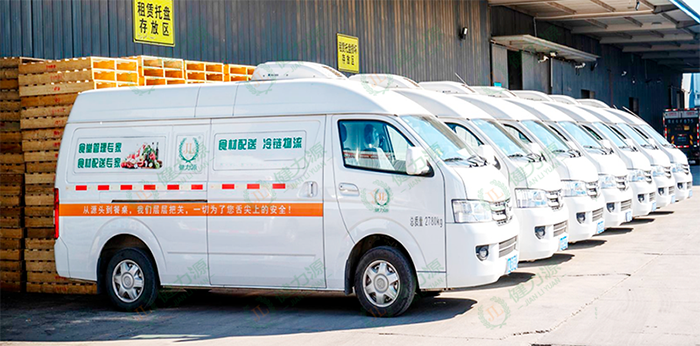
III. Liyuan Central Kitchen Products: Truly Bringing "Cleanliness" to the Table
Having said so much, what does the clean label look like when it lands on the plate? Take a Liyuan Central Kitchen pork and mushroom dumpling as an example, and the difference is immediately clear.
A certain brand of pork and mushroom dumplings on the market has more than 30 ingredients: wheat flour, puffed soy products, minced chicken, maltodextrin, compound seasoning, compound emulsifier, compound thickener, acetate starch, food flavor... Not only is the pork content impossible to label, but even "pork dumplings" secretly contain minced chicken and plant protein fillers.
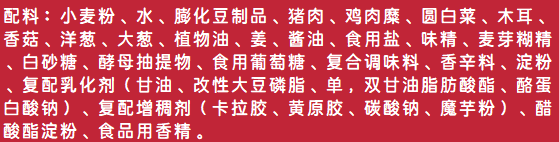
Ingredient List of a Certain Brand of Pork and Mushroom Dumplings
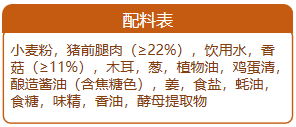
Ingredient List of Liyuan Central Kitchen Mushroom Dumplings
In contrast, Liyuan Central Kitchen pork and mushroom dumplings have only 16 ingredients, all common household ingredients: wheat flour, pork front leg meat (≥22%), drinking water, shiitake mushrooms (≥11%), wood ear mushrooms, scallions, vegetable oil, egg white, brewed soy sauce, ginger, edible salt, oyster sauce, sugar, monosodium glutamate, sesame oil, and yeast extract. Pork ≥22%, shiitake mushrooms ≥11%, with clear labeling of content and truly sufficient amounts; 0 chemical artificial additives, made with pure pork, and no plant protein filling.
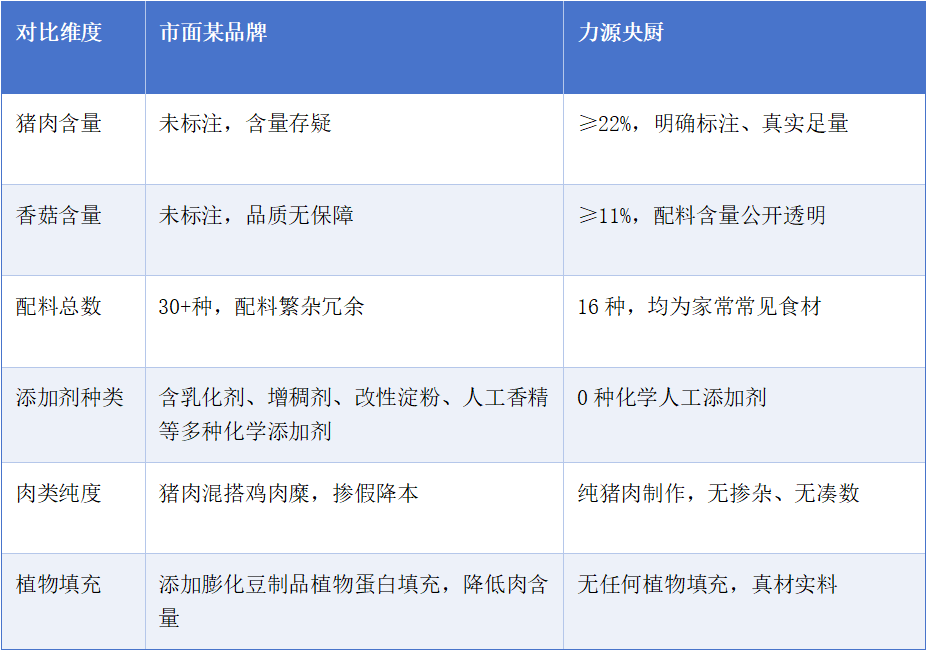
Comparative Analysis of the Ingredients of Two Kinds of Pork and Mushroom Dumplings
In terms of flavor, Liyuan Central Kitchen dumplings rely on egg white for tenderness, sesame oil for aroma, and oyster sauce for freshness, providing natural freshness without making the mouth dry, and using real ingredients to "precipitate" the original taste. Some dumplings on the market, however, use additives to "piece together" the texture.
This is only a microcosm of Liyuan Central Kitchen products practicing the "clean label." At present, the central kitchen has launched more than 20 products, including youtiao, dumplings, four-joy meatballs, crispy pork, and braised pig trotters, and every one of them implements the "clean label."
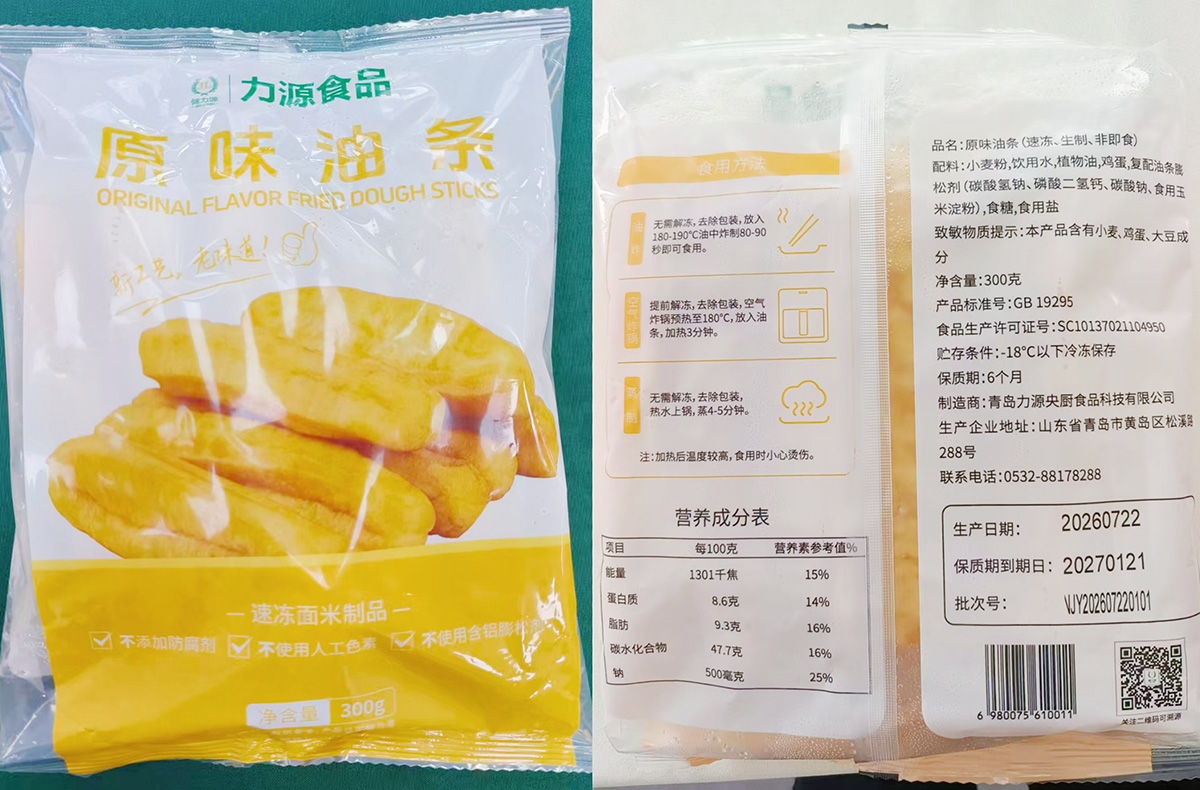
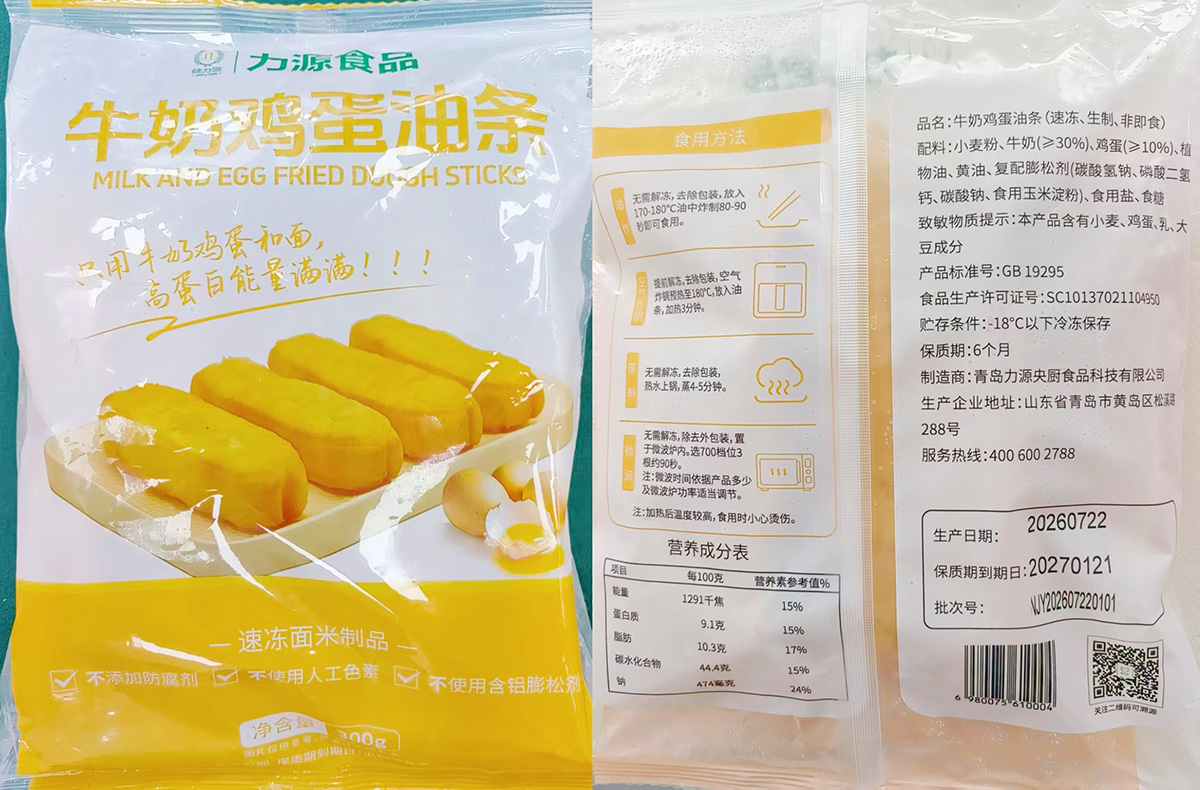
Ingredient List of Liyuan Central Kitchen Youtiao Products
Truly healthy food has never relied on fancy conceptual packaging, but returns to the food itself. The clean label represents an attitude of honesty toward consumers: leave the complexity to the factory, and return simplicity to food.
In the future, Liyuan Central Kitchen under Jianliyuan will continue to practice the "clean label" production concept, continuously optimize formulas and processes, and on the basis of compliance and safety, continuously refine central kitchen products with "clean ingredients and authentic flavor," bringing more natural, nutritious, and healthy food to consumers.