back
back

Many people struggle with how to eat healthily: when trying to lose weight, they blindly cut out staple foods; when eating, they only look at calorie numbers; when serving food in a canteen or ordering takeout, they do not know how to choose dishes; they either eat too much or go hungry, making it hard to achieve balance.
In fact, healthy eating does not have to be complicated. The 211 Diet Method, derived from the Harvard Healthy Eating Plate concept and localized and optimized in combination with the Dietary Guidelines for Chinese Residents, requires no kitchen scale and no calorie counting. It uses our own fists as measuring tools and only adjusts the food proportions of each meal. It can be implemented whether cooking at home, eating in a canteen, or ordering takeout, helping ordinary people easily achieve a balanced diet.
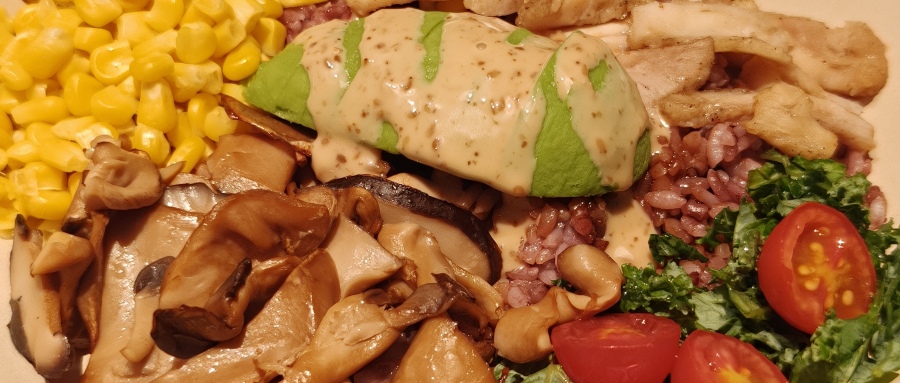
I. What Is the 211 Diet Method?
Core mnemonic: each meal = 2 fists of vegetables + 1 fist of high-quality protein + 1 fist of staple food.
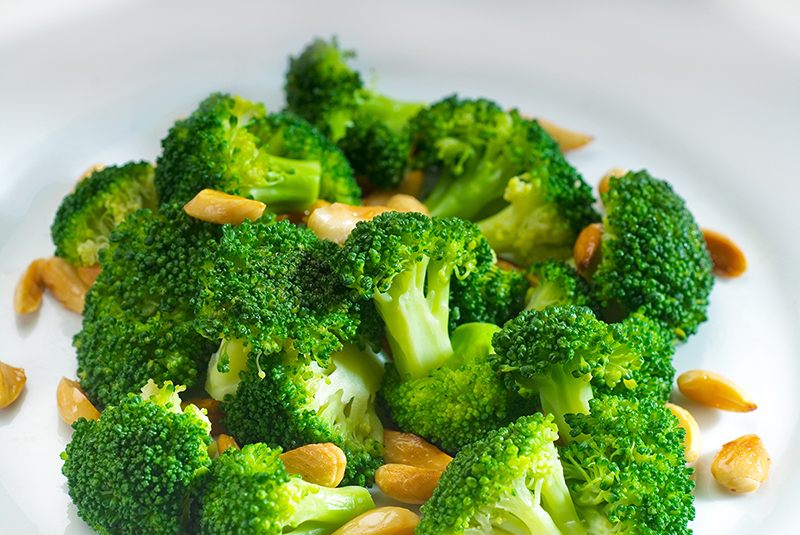
2 fists of vegetables: prioritize non-starchy vegetables. Green leafy vegetables, broccoli, mushrooms, gourds, tomatoes, and eggplants are all fine. It is recommended that dark-colored vegetables account for more than half. Vegetables supplement dietary fiber and vitamins, provide strong satiety, and slow the rise of postprandial blood sugar.
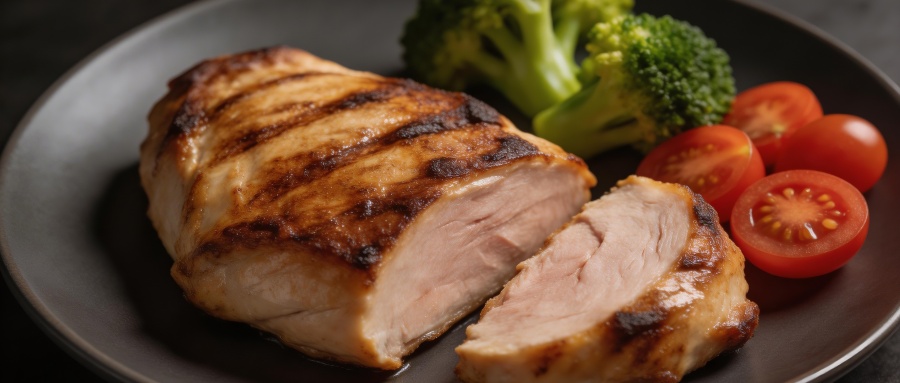
1 fist of high-quality protein: eggs, fish and shrimp, lean meat, chicken breast, tofu, soy products, etc. Sufficient protein maintains body functions and muscle mass and prevents metabolic decline.
1 fist of staple food: rice, steamed buns, noodles, whole grains, sweet potatoes, and corn all count. Staple food is the body's main energy source. It is not recommended to completely avoid staple food; try to achieve a combination of coarse and fine grains.
II. Practical Guide for Different Scenarios
1.Canteen Dining
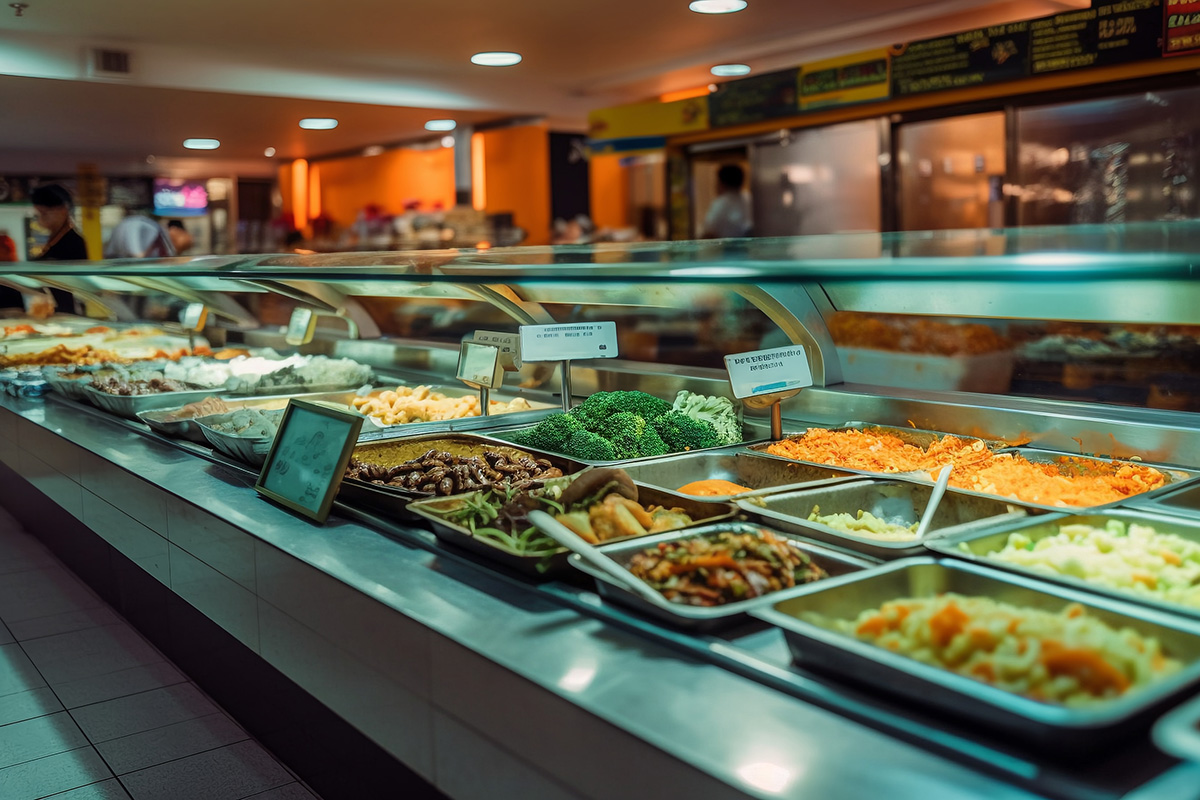
When serving dishes, you can simply divide the plate: prioritize 2 portions of vegetables, with half as dark-colored vegetables if possible; choose 1 portion of meat/egg/soy products as the protein source; take 1 fist of staple food. If multigrain rice, corn, or sweet potatoes are available, they can replace part of the white rice.
For example: one portion of stir-fried leaf lettuce + one portion of broccoli + one portion of steamed fish/stir-fried pork with dried tofu + a small portion of multigrain rice is a standard 211 combination.
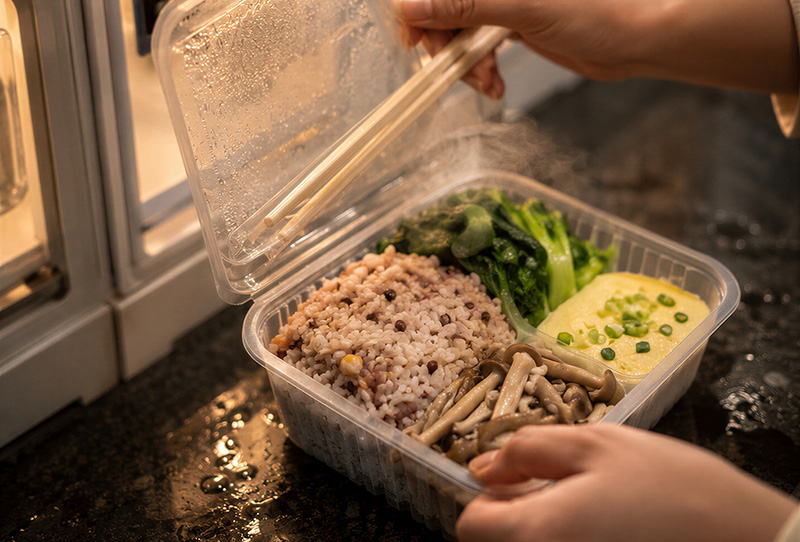
2.Ordering Takeout
Takeout often has too much staple food and too few vegetables. Remember these tips:
Eating noodles or rice noodles: eat only half the noodles, add an extra portion of green vegetables, and add eggs/braised beef to supplement protein;
Ordering fast food: ask for an extra portion of stir-fried vegetables, halve the rice, prioritize steamed and stewed dishes, and choose fewer heavy-oil items such as fried and braised-in-soy-sauce dishes;
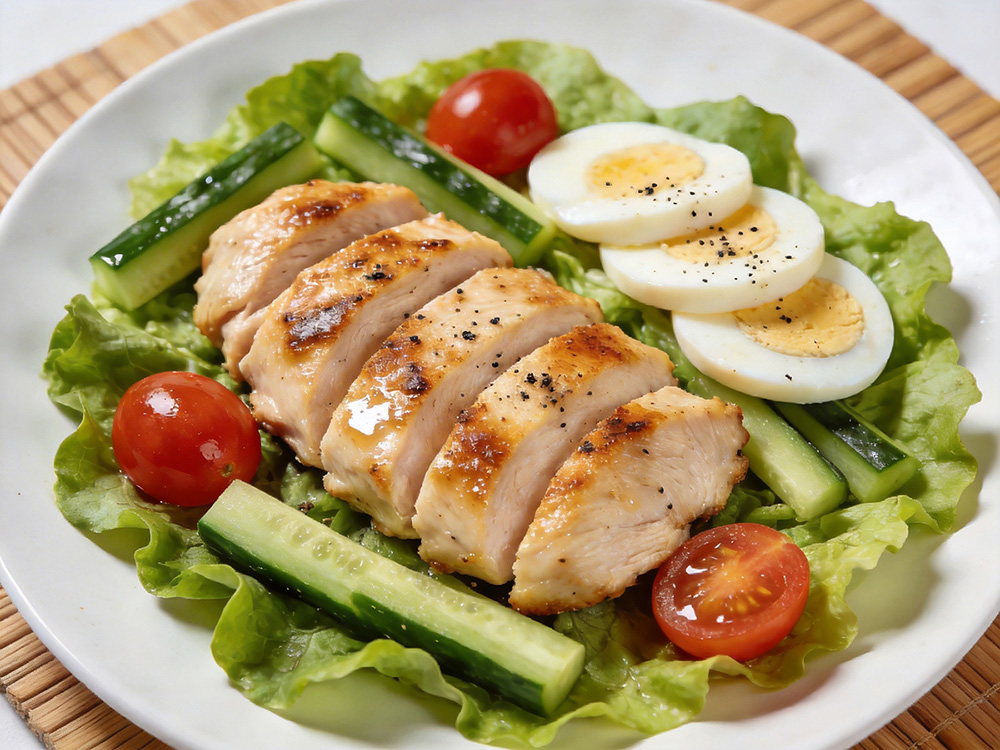
Eating light meal salads: do not eat only vegetables; be sure to add eggs, chicken breast, and tofu, and pair with a small portion of staple food; otherwise, nutrition is unbalanced and you will soon be hungry.
3.Home Dining
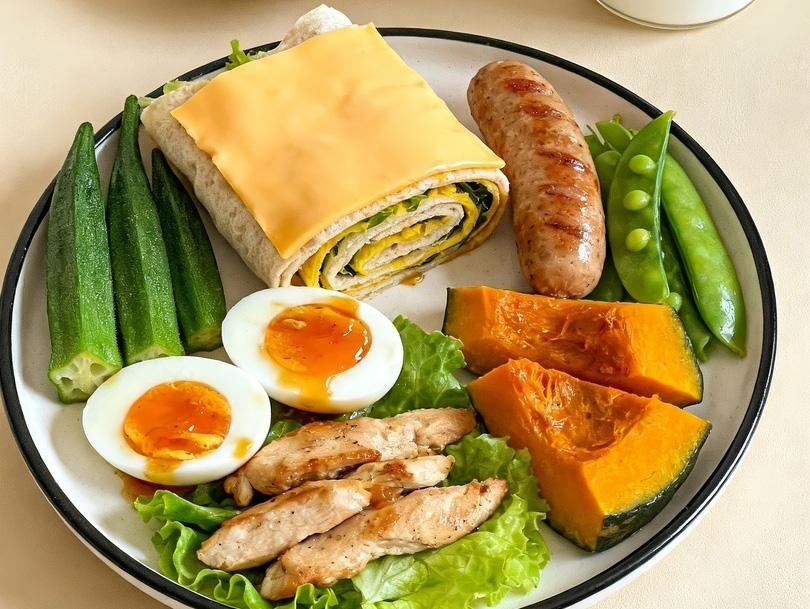
When cooking at home, just divide the plate according to the fist method, and remember: eat vegetables first, then protein, and finally staple food. This small eating technique can improve satiety and stabilize postprandial blood sugar.
III. Avoid Common Misconceptions
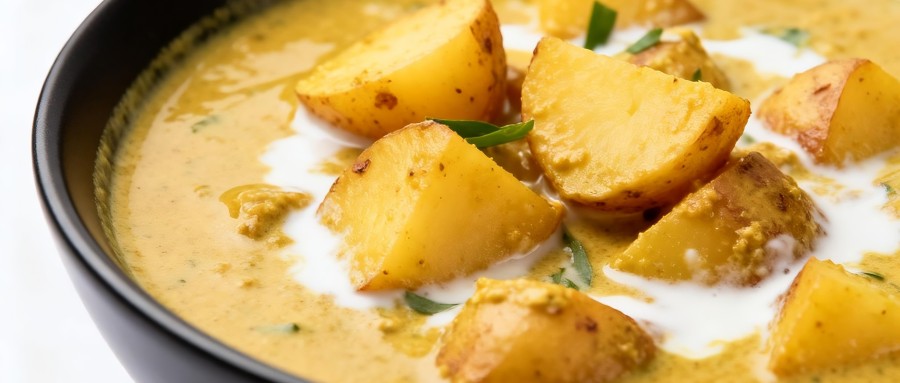
Misconception 1: Treating potatoes, lotus root, and Chinese yam as vegetables
They are starchy ingredients. If you eat potatoes or Chinese yam at a meal, you should correspondingly reduce the amount of staple foods such as rice and steamed buns.
Misconception 2: You can eat unlimited vegetables
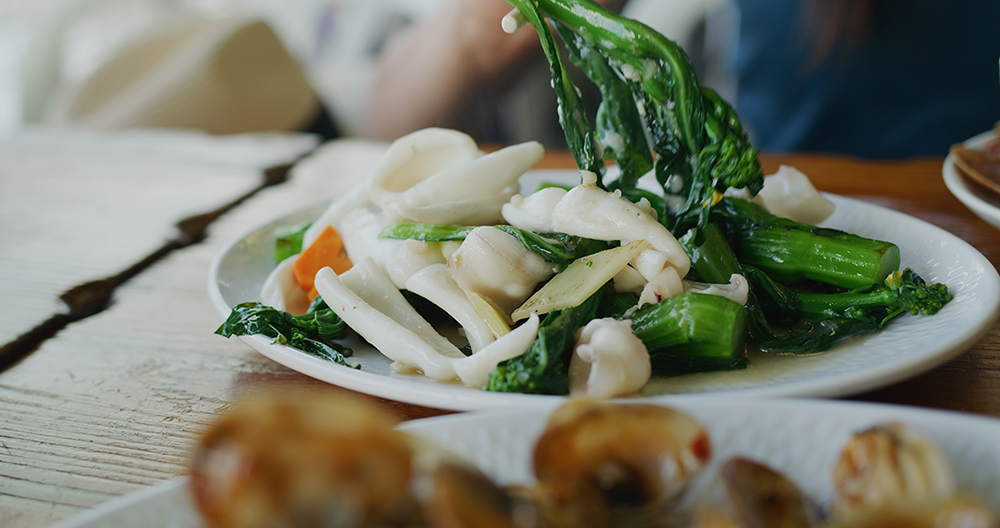
It is 2 fists of cooked vegetables, not that more is better; vegetables stir-fried with heavy oil have excessive oil and cannot achieve healthy effects either.
Misconception 3: 211 is exclusively for weight loss
It is not exclusive to weight loss but a balanced diet model, also suitable for ordinary people's daily meals; people with high physical exertion can moderately increase staple food and protein portions and do not need to rigidly stick to fixed amounts.
Misconception 4: Completely avoiding refined rice and white flour
There is no need to replace all staple food with coarse grains; having part coarse grains and part refined grains is enough. Persistence is most important.
Tip: The 211 Diet Method is suitable for the vast majority of healthy adults. Special populations such as children, pregnant women, older adults, and people with diabetes or kidney disease should not directly copy it; it is recommended to follow personalized guidance from a doctor or clinical dietitian.
Healthy eating is not harsh dieting, but learning to adjust the food structure on the plate. Let us start with the simple "fist ratio" at every meal. Whether eating in a canteen, ordering daily takeout, or eating at home, we can eat in a balanced and comfortable way.
Text | Compiled and organized from the internet
Image | Copyright image library