back
back

As the Start of Autumn arrives, the folk custom of "putting on autumn weight" has become popular again, with braised pork, stewed pork knuckle, and hot pot being arranged on dining tables one after another. But today's living environment has long changed, and coupled with the fact that this year coincides with "autumn wrapping the dog days," the lingering summer heat of the dog days has not receded and dampness lingers. The traditional way of tonifying through heavy eating and drinking is no longer suitable for modern people. Today let us re-understand "putting on autumn weight" and step out of health preservation misconceptions.
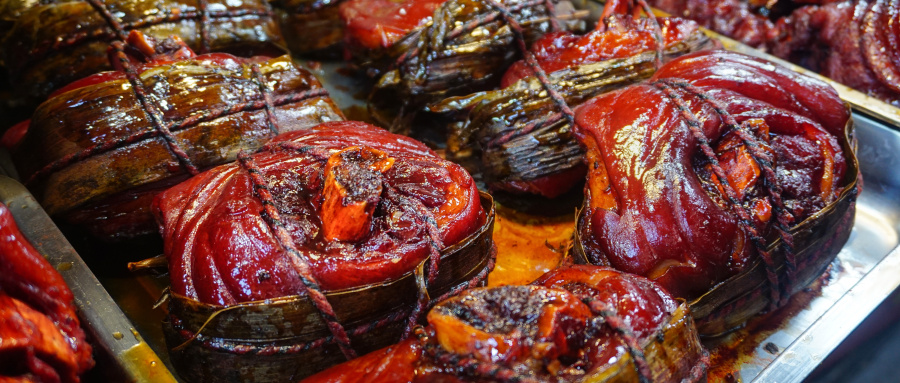
I. The Ancient Custom of "Putting on Autumn Weight" Cannot Be Copied Indiscriminately
"Putting on autumn weight" began in the agricultural era. Under high-temperature labor in midsummer, people had poor appetite and lost weight, commonly known as "bitter summer." When autumn arrived and temperatures turned cooler, people would eat more meat to make up for summer losses and store fat to resist the long cold winter. This was the survival wisdom of an era of scarce resources.
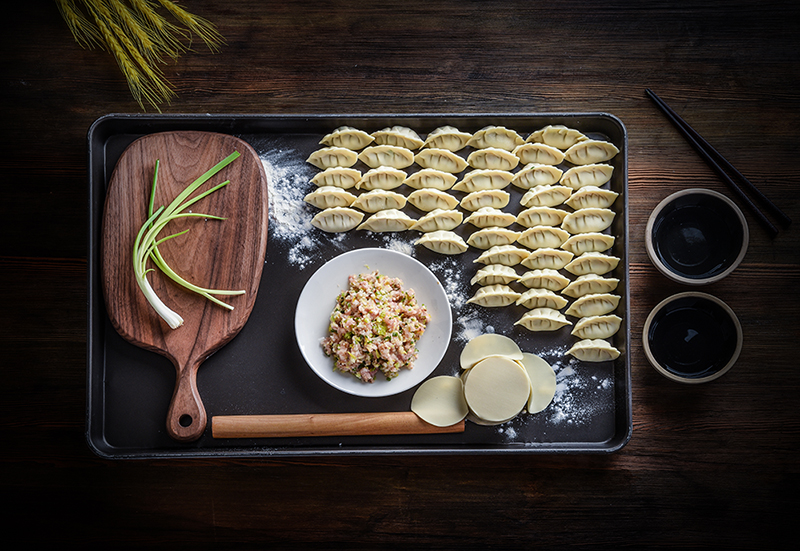
This custom also has distinct regional differences: in the north, after the Start of Autumn, temperatures drop noticeably and winters are severe, so stewing meat and making dumplings to "grab autumn weight" prevails; in the south, after the Start of Autumn it is still hot and humid, and the "autumn tiger" lingers for a long time. Among the people, "biting autumn" by eating melons is more advocated to clear heat and dispel summer heat, and heavy tonification is not suitable.
Placed in the present, stubbornly adhering to ancient methods is no different from carving a mark on a boat to seek a sword.
With the widespread use of air conditioning and abundant food ingredients, meat, eggs, and milk are already standard in daily diets. Multiple nutritional survey data show that nearly 70% of Chinese people have fat intake exceeding the recommended standard; the consumption of livestock and poultry meat by urban residents far exceeds the reasonable upper limit, and the overweight and obesity rate among Chinese adults has exceeded 50%. Metabolic problems such as hypertension, hyperlipidemia, and fatty liver are increasing year by year.
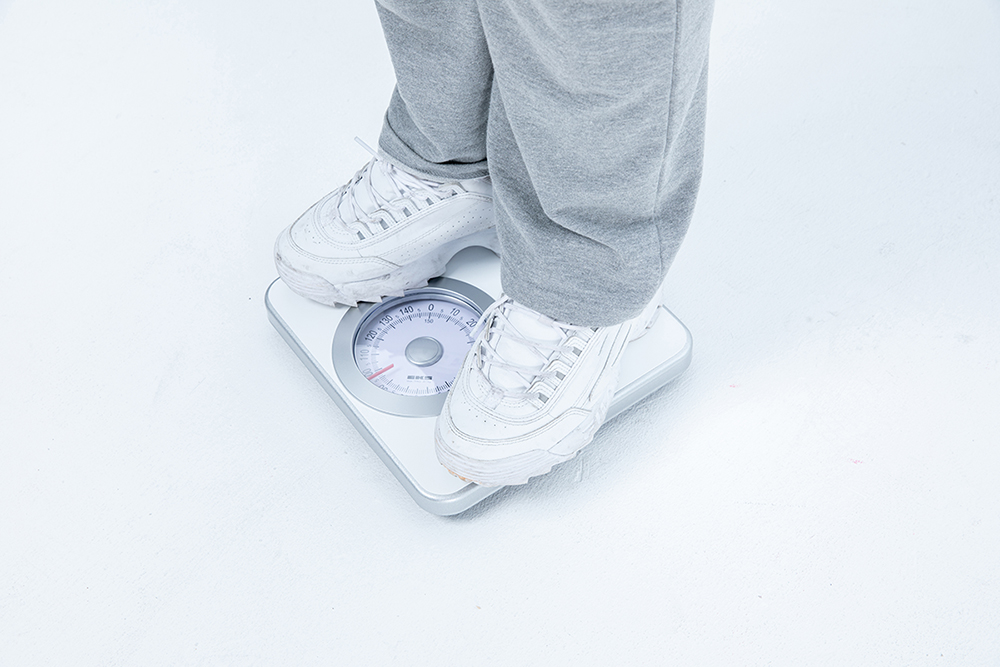
The ancients put on autumn weight to make up for physical depletion; modern people blindly putting on weight will only increase the metabolic burden. When large amounts of fish and meat are eaten, what is stored is not vitality, but excess fat.
II. Self-Assessment of Whether You Need to "Put on Autumn Weight"
There is no universal plan for tonification. First use BMI (body mass index) for a simple self-test to judge your own situation:
Calculation formula: weight (kg) ÷ height (m) squared (China's adult reference standard: 18.5–23.9 is the normal range)

1.People suitable for moderate tonification:
BMI < 18.5, relatively thin body type; usually prone to fatigue and fear of cold, insufficient qi and blood; people just recovering from a serious illness or in the postoperative recovery period (conditioning plans should follow physician advice).
2.People advised to eat a light diet and reduce heavy-oil meat dishes:
BMI > 24, overweight or obese, or people with the "three highs" (high blood pressure, high blood sugar, high blood lipids). Large amounts of meat will continuously increase vascular metabolic pressure;
People with weak spleen and stomach, heavy dampness in the body, frequent abdominal bloating, and sticky stools. Such people are "deficient and cannot be tonified";
People with yin deficiency prone to internal heat, often having dry mouth, acne, constipation, and insomnia. Too much warm and hot meat will aggravate autumn dryness.
3.At the same time, avoid three major tonification misconceptions:
Misconception 1: Putting on autumn weight = eating more meat
In early autumn, summer dampness has not yet dissipated, and autumn dryness follows. Excessive greasy meat increases the burden on the stomach and intestines and very easily causes internal heat and indigestion; if intake of vegetables and fruits is insufficient and dietary fiber is lacking, digestive problems will follow one after another.
Misconception 2: The nutrition of meat soup is far higher than that of meat
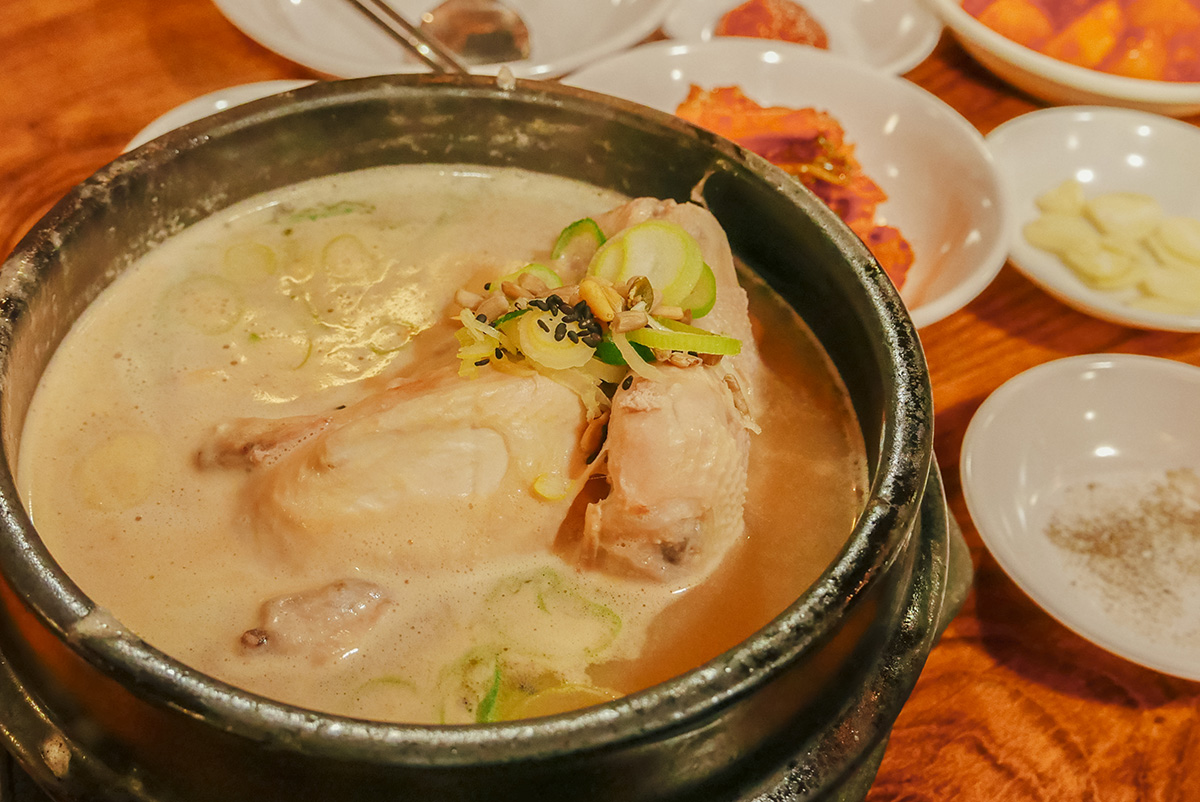
Meat soup contains only a small amount of amino acids, and the vast majority of protein remains in the meat; moreover, meat soup has a relatively high purine content, and people with gout should not drink it often. Drinking only the soup without eating the meat is not worth the loss.
Misconception 3: The thicker the body fat, the less afraid of cold in winter
Fat can only play a role in insulation, while the human body mainly relies on muscle to generate heat. Under the same weight, the heat-generating capacity of muscle is three times that of fat. A balanced diet combined with moderate exercise to increase muscle is the fundamental way to resist cold.
III. Key Reminders for Autumn Health Preservation
1.Reduce pungent foods and increase sour foods to prevent autumn dryness
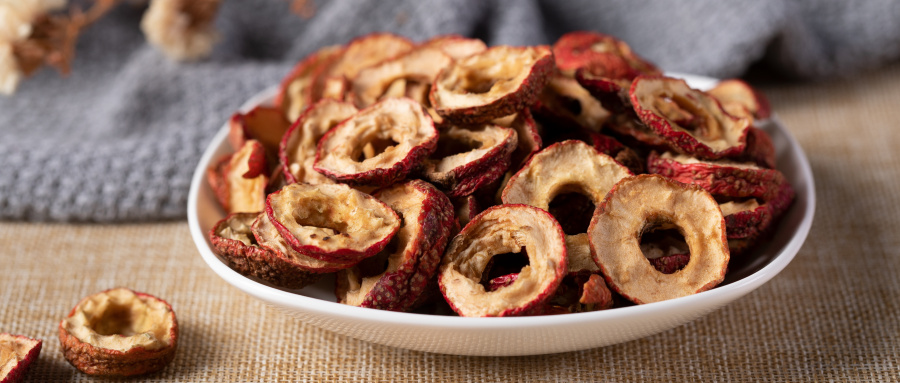
Reduce spicy and irritating foods such as chili peppers and raw garlic; consume appropriate amounts of sour ingredients such as hawthorn and grapes to help astringe lung qi. Lily bulbs, pears, snow fungus, etc., can also be eaten regularly.
2.Balance eating and exercise, consolidate the foundation and improve metabolism
The Dietary Guidelines for Chinese Residents (2022) recommend: accumulate no less than 150 minutes of moderate-to-high intensity exercise per week. Dietary conditioning combined with exercise to increase muscle mass and basal metabolism is more effective than relying solely on dietary tonification.

3.Adjust tonification according to the individual and do it scientifically
Older adults, children, pregnant and postpartum women, and patients with chronic diseases should not blindly imitate the mass tonification pattern. If conditions permit, a nutritional assessment can be done, and conditioning can be carried out according to need. Improper tonification can instead damage health.
This article is compiled and organized from: China Good Nutrition, Healthy China
Image source: copyright image library