back
back

Although the "Start of Autumn" solar term has passed, most regions are still in the dog days of summer, and nighttime gatherings have become the first choice for many people to relieve stress and relax. With a table of delicious food and a few good friends, people always want to pair it with some drinks to add to the fun. Crisp, refreshing non-alcoholic beer with its natural wheat aroma has leapt to become a hit at the table.
Many people have this misconception: "Non-alcoholic beer has no alcohol, won't make you drunk, and you can safely drink it before driving." But the result is being caught for drunk driving. Today, based on the national beer standard, we will clarify the true attributes of non-alcoholic beer for everyone, safeguarding both your taste buds and your driving safety.

I. Non-Alcoholic Beer Is Never Zero Alcohol
The "non-alcoholic" or "dealcoholized" claims promoted by merchants on the market do not mean completely alcohol-free. The state has a clear and strict standard definition for non-alcoholic beer, and there is simply no such thing as "zero-alcohol beer."
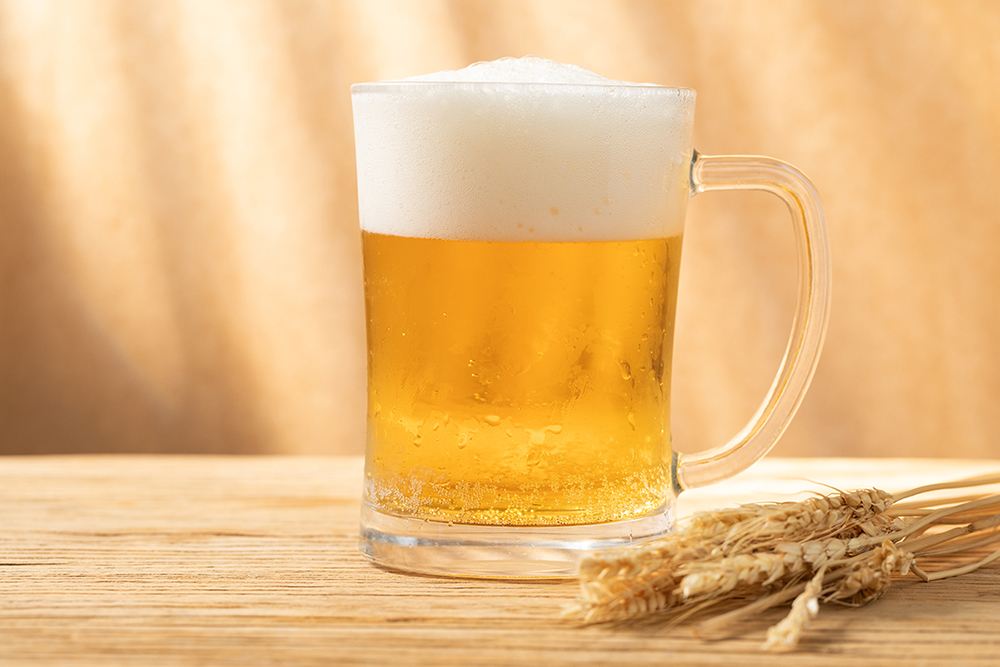
According to the national standard Beer (GB/T 4927-2008), the definition is: non-alcoholic beer (dealcoholized beer) refers to beer with an alcohol content of ≤0.5%vol and an original wort concentration of ≥3.0°P.
A drink containing trace alcohol: every 100 ml of non-alcoholic beer contains at most 0.5 ml of ethanol. It is genuinely an alcoholic beverage, by no means ordinary soda or a soft drink;
Essentially beer: it follows the complete beer brewing process, with alcohol reduced only through special processes. Its product attribute remains beer;
0.0%vol is not absolute zero alcohol: the 0.0%vol marked on some products only means the alcohol content is below 0.05%vol, which is "approaching zero" within the precision of instrument detection, not completely alcohol-free.
For comparison: ordinary beer generally has an alcohol content between 3% and 5%vol. Although non-alcoholic beer has a greatly reduced alcohol content, trace alcohol is always present. It is by no means "zero alcohol risk."
II. Why Can Drinking Non-Alcoholic Beer Also Lead to a Drunk Driving Charge?
Many people wonder: with such a low content, how could it exceed the limit? In fact, many drunk driving cases in daily life come from non-alcoholic beer. The following two drinking scenarios carry the highest risk, and everyone must pay attention!
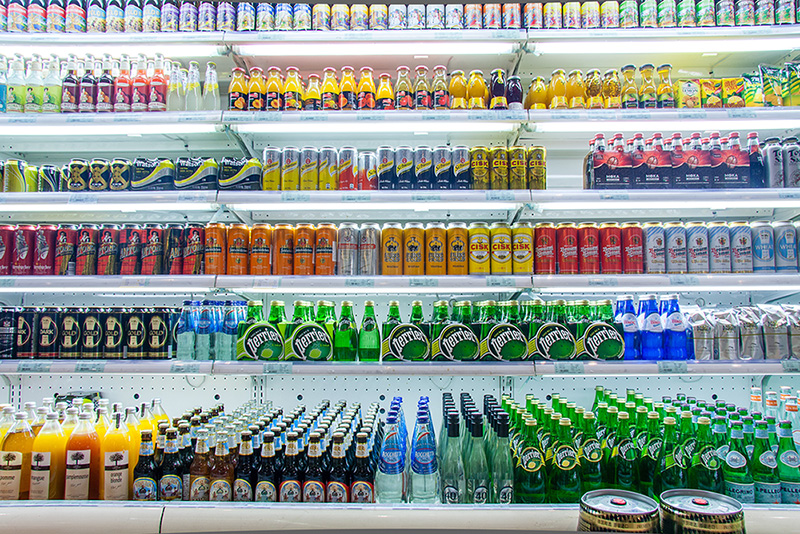
1.Drinking Large Amounts: Alcohol Accumulates and Exceeds the Limit
The alcohol content of a single bottle of non-alcoholic beer is negligible, but alcohol accumulates in the body. In the relaxed atmosphere of a summer gathering, before you know it, you may drink three to five bottles. Trace ethanol continuously accumulates and can fully reach the standard for exceeding the drunk driving detection limit.
2.Drinking on an Empty Stomach: Absorption Speed Doubles
Many people drink first and eat later at gatherings. On an empty stomach, the speed at which the gastrointestinal mucosa absorbs alcohol increases significantly. At the same intake amount, drinking non-alcoholic beer on an empty stomach will result in a much higher blood alcohol concentration than drinking on a full stomach, greatly increasing the probability of exceeding the drunk driving limit.
III. Recommendations for Drinking Non-Alcoholic Beer
Safety must come first when drinking. Here are some recommendations for drinking non-alcoholic beer:
1.Never Drink Before Driving
Regardless of whether the drink is labeled 0.5%vol or 0.0%vol, as long as it is non-alcoholic beer, absolutely do not touch it before driving. Eliminate the risk of drunk driving from the source and do not harbor any侥幸 mentality.
2.Avoid Drinking on an Empty Stomach or in Excess
At gatherings, enjoy the food first and then sip the drink. Avoid drinking non-alcoholic beer on an empty stomach, and control the amount consumed to eliminate safety hazards caused by alcohol accumulation.
The original intention of non-alcoholic beer is to let everyone enjoy the wheat aroma of beer while reducing alcohol intake and enjoying gatherings with ease. But it is by no means a "safe excuse" for drunk driving. Even trace alcohol at 0.5%vol is a traffic safety red line that must not be crossed. Please keep this firmly in mind!