back
back

Green ecology has become an important direction for the development of modern agriculture. In the process of crop cultivation, Liyuan Ecological Farm has always integrated the green concept into production practices. Among these efforts, the application of microbial inoculants is a key technical means of achieving ecological cultivation. By introducing beneficial microorganisms to nourish the soil, the farm can effectively harmonize field ecology and ensure a virtuous cycle in the cultivation environment.
Microbial inoculants refer to live microbial preparations made by industrially propagating target microorganisms (effective microorganisms), using porous materials as adsorbents to adsorb fermentation broth. In actual farm production, microbial inoculants can not only improve soil structure and enhance fertility, but are also widely used in pest and disease control and irrigation water purification. They are an important tool for ecological agriculture to achieve environmental protection goals.
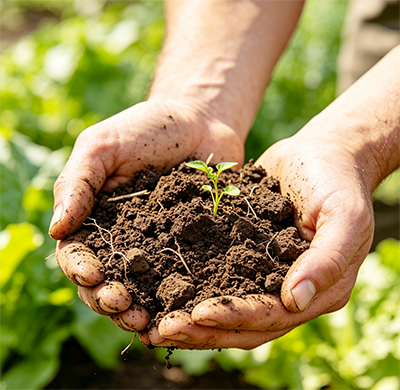
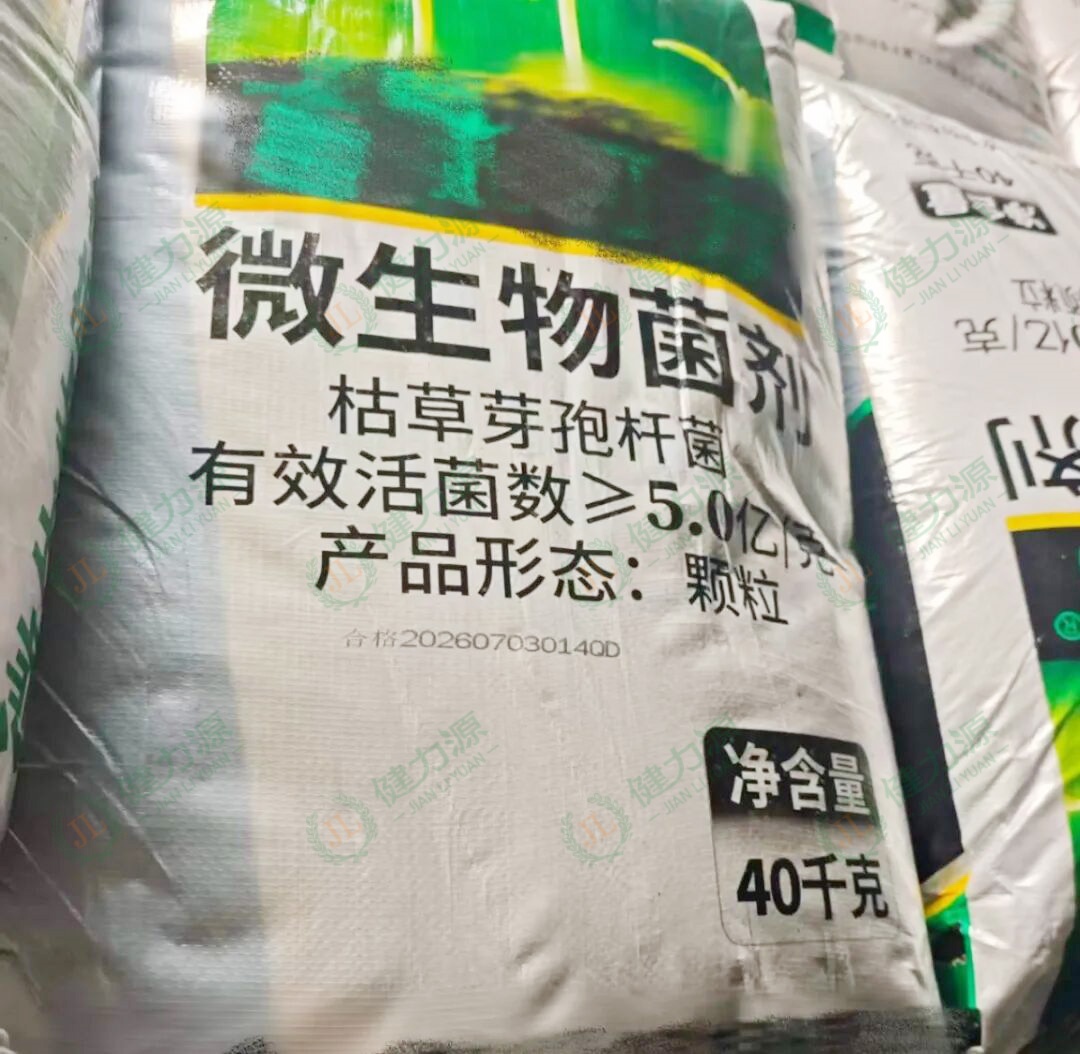
I. Inhibit Disease Development and Strengthen the Cultivation Foundation
Microbial inoculants contain multiple beneficial microorganisms such as Bacillus subtilis, which together form a natural defense barrier for crops. These microorganisms can secrete substances with highly efficient antibacterial activity, significantly inhibit the growth of pathogens, reduce the frequency of crop diseases, and reduce the breeding of pests and diseases from the source, thereby reducing the risk of pesticide pollution to soil, water bodies, and air.
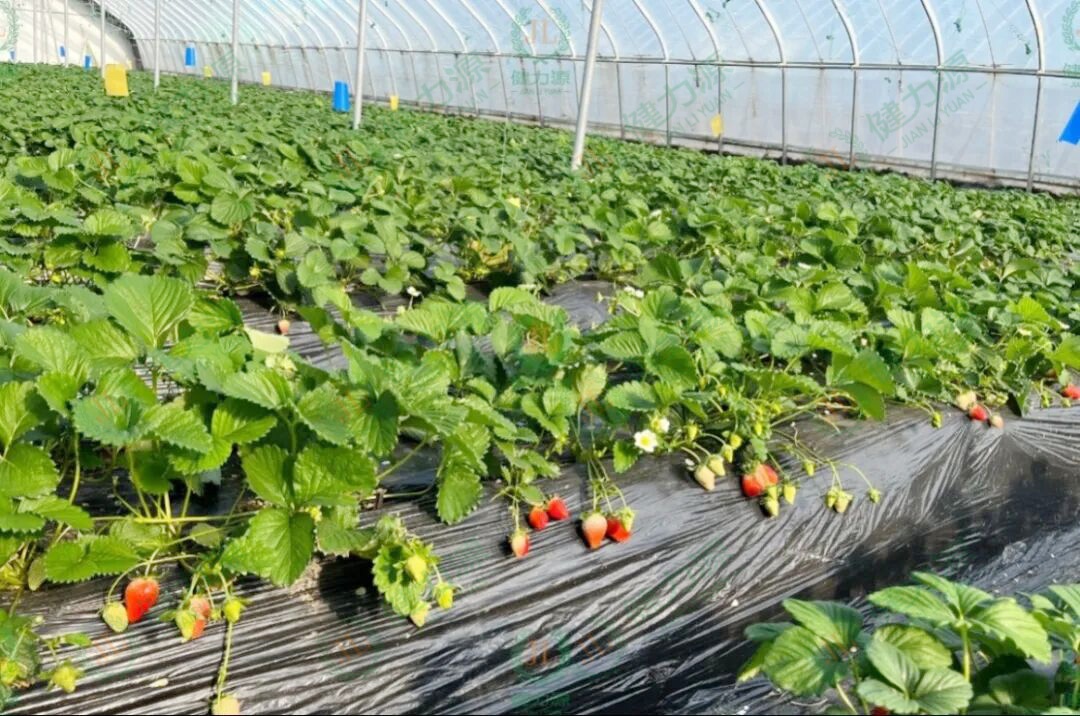
II. Stabilize the Biological Chain and Maintain Ecological Stability
Microbial inoculants play a key role in building a healthy farm ecology and maintaining field biodiversity. Multiple functional microbial communities coexist synergistically, which can optimize soil structure, improve aeration and water retention capacity, create a suitable habitat for soil animals such as earthworms, and provide living space for beneficial insects, thereby naturally regulating pest populations. By establishing a stable and orderly biological chain, the farm's overall ecosystem becomes richer and more balanced.
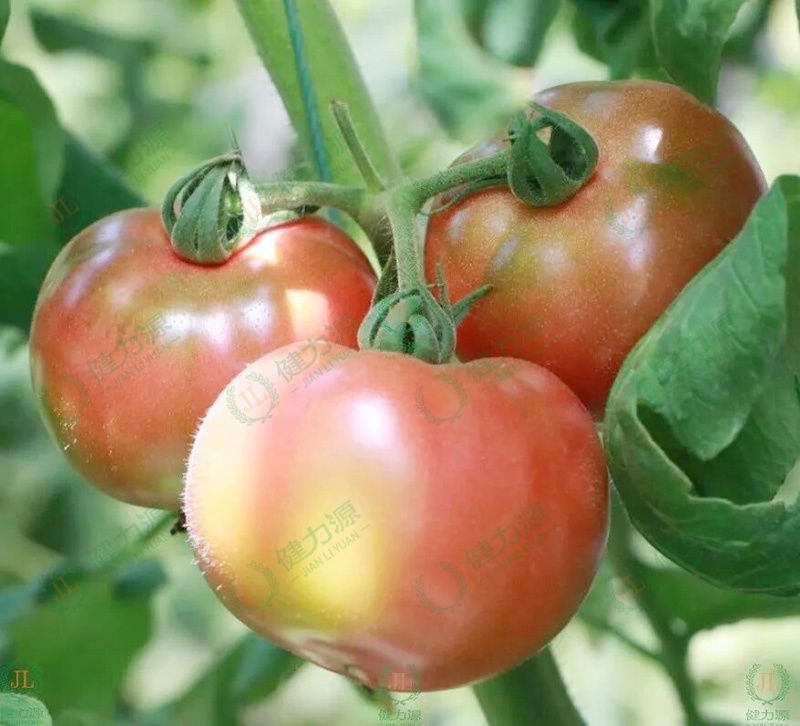
III. Reduce Chemical Fertilizer Use and Enhance Soil Fertility
Beneficial microorganisms have remarkable effects in building soil fertility and promoting nutrient cycling. Some microbial communities can fix nitrogen from the air and convert it into nitrogen nutrition available to crops; other microbial communities can decompose fixed phosphorus and potassium in the soil and release them for crop absorption. Through these microbial activities, the farm can fully tap the soil's own fertility, reduce dependence on chemical inputs, and maintain the sustained stability of the natural ecology while protecting soil health.
As the core support for the environmental protection practices of Liyuan Ecological Farm, microbial inoculants play an irreplaceable role in reducing the use of pesticides and chemical fertilizers, protecting the ecological environment, and promoting biodiversity. At present, a new crop of cherry tomatoes, fruit cucumbers, mini colored peppers, and other fruits and vegetables in the farm's planting greenhouses has completed transplanting and is entering a period of vigorous growth. We look forward to the arrival of the maturity season and to the launch of this batch of green fruits on schedule.